The Pokhara Nobody Photographs


The rental shops on Lakeside don't open until 8am. For a couple of hours before that, Pokhara looks like itself.
At that hour the lake is still. Machhapuchhre, the sacred unclimbed Fishtail peak, reflects in the water with a precision that feels calculated. A woman carries a steel tray past the shuttered trekking shops. A dog sleeps across the doorway of a momo restaurant. The morning light on the lake is flat and white, and the only sound is the occasional motorbike heading somewhere before the city wakes. No rental touts. No paragliding flyers. Just the mountain upside down in the water and nobody photographing it.
By 10am the scene has changed entirely. The cafe menus are out, the shops are open, music drifts from restaurants serving eggs and coffee to trekkers on their first or last day, and Pokhara is functioning as a tourist city. Both versions are real. Most visitors only see one.
Where Pokhara is
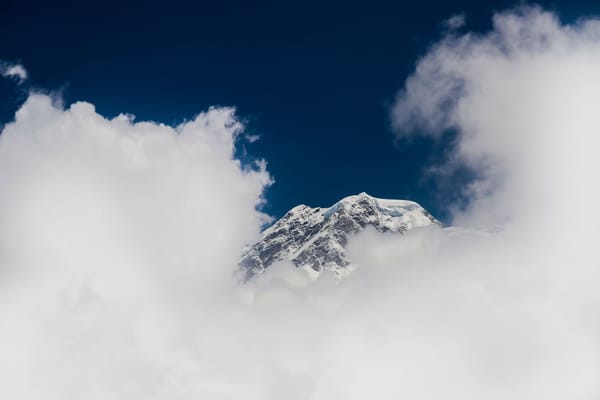
Pokhara is Nepal's second-largest city. It sits in Gandaki Province at 827 metres above sea level, in a valley that feels, from inside it, like a bowl. To the north, the Annapurna massif occupies the horizon. On clear mornings between October and March, those peaks are close enough that the distance feels like a mistake.
The Pokhara Metropolitan City has a population of 487,000 people. It is a functioning city: a bus park, a medical district, government offices, a university, neighbourhoods where nobody speaks English because there is no reason to. Lakeside, Baidam in Nepali, is one strip along the southern shore of Phewa Lake. Two kilometres long, aimed entirely at visitors.
The distinction matters. When people say Pokhara, they usually mean Lakeside. They are talking about a small part of a much larger place.
Phewa Lake and what the tourist frame misses
Phewa Lake is Nepal's second-largest lake and the surface that Pokhara is photographed against. The Annapurna range reflects in it on calm mornings. In the centre of the lake, on a small island, is the Barahi Temple: a shrine to the goddess Tal Barahi, reached only by rowboat. On Saturdays, the boats carry families who have come for puja, not for the view.
What the tourist frame leaves out: Phewa Lake is getting smaller. It covered 5.23 square kilometres in 1996. By 2020, that figure had dropped to 4.43 square kilometres, nearly a kilometre of water gone to sedimentation and encroachment. The lake that visitors photograph as timeless is actively retreating.
The rowboats are still there. The reflection is still there. The mountain does not know.
Lakeside: the tourist corridor
Lakeside is not a deception. It does what it is designed to do: it collects people arriving from Kathmandu or from a trek and gives them a place with everything within walking distance. The cafes are decent. The sunset views over the lake are real. Paragliding is accessible from here in a way it is not from most places on earth. You walk to the launch, fly for thirty minutes above the Annapurnas, and land back on the strip.
But Lakeside has the problem every purpose-built tourist corridor has: optimised for visitors until it no longer resembles the place it is in. The menus are in English, German, and French. The prices are in USD. The street food is not Nepali street food. It is Nepali street food adjusted until it fits what people expect.
The actual street food in Pokhara, chatamari and bara and kwati, is in the old bazaar area near Prithvi Chowk. Fifteen minutes by rickshaw from the main Lakeside strip. The flavours are the same as they have always been because nobody adjusted them for anyone.
Beyond Lakeside: the city
Prithvi Chowk is where the buses arrive from Kathmandu. The intersection itself is not picturesque. What surrounds it is: jewellery shops with gold laid out on velvet, tailors who can turn a length of fabric into clothing in a day, teashops where the clients are porters and drivers, not trekkers. The vegetable market nearby runs from 5am and is done by 9. The prices are what things actually cost. Samosas come out of oil so hot you have to hold them through paper.
North of Lakeside, toward Bagar and New Road, the city shifts again. Hardware shops, schools, offices, restaurants where the menu is a board on the wall and the question is which dish, not which cuisine. A Nepali who lives in Pokhara does not spend Sunday morning on Lakeside. They might go to Barahi Temple. They might take tea at a stall near Mahendrapul. They might go nowhere in particular.
There are 487,000 people in this city. Most of them have never rented a kayak.
This is not a critique of Lakeside. It is an accurate description of what Pokhara is: a city of nearly half a million people with one tourist district and several dozen square kilometres of urban life that most visitors never enter.
What to do in Pokhara
The major sites are close together and accessible without a guide.
Phewa Lake. Boat rental from the lakeside jetty. The island Barahi Temple is the primary destination; go on a Saturday morning to see it as pilgrimage rather than tourism. The boats fill before 8am on festival days. Phewa Lake
Sarangkot and paragliding. Sarangkot sits at 1,592 metres and offers the best accessible Himalayan sunrise viewpoint in Nepal. Paragliding launches from here; a 30-minute tandem flight costs approximately $80 to $100 through established operators. Sunrise jeep trips leave Lakeside around 4:30am. The mountain views from the launch hill are better than from Lakeside below. Sarangkot
World Peace Pagoda. A Japanese-built stupa at 1,100 metres, one of 80 worldwide. Japanese Buddhist monks still live here. The view of Phewa Lake and the Annapurna range from this elevation is the best fixed viewpoint in Pokhara. The hike from the boat landing takes about 40 minutes. World Peace Pagoda
Devi's Falls and Gupteshwor Cave. A waterfall that disappears underground into a limestone sinkhole. The cave across the road, Gupteshwor Mahadev Cave, gives a view of the falls from underground and is a Shiva pilgrimage site. Three names exist for this place: Devi's Falls, Davis Falls, Patale Chhango. Each carries a different origin story. All three are in use. Devi's Falls Gupteshwor Cave
The old bazaar. Not on the tourist map. Worth an afternoon regardless.
Best time to visit Pokhara
October and November are peak season. The monsoon has cleared, the mountains are visible, the sky is a specific blue that photographs as impossible. This is when Pokhara is most crowded and most itself.
March and April work almost as well. Rhododendrons are in bloom on the hills above the valley. Mountain visibility is reliable in the mornings, less so by afternoon.
June through September is monsoon. The waterfalls are at full volume. The mountains are behind cloud for days at a time. Lakeside empties and prices drop. For some visitors this is the right time: the city is quieter, the trails above the valley are green, and the rain is warm.
December and January are dry and cold. Frost on the lake in the mornings. The Annapurnas are visible but the air has an edge if you are spending time outdoors.
The honest question is not which month but cloud cover. Even in October, Pokhara's valley can cloud over by midday. Sunrise at Sarangkot is a more reliable bet for mountain views than midday from Lakeside. best time to visit
Getting there and getting around
By flight from Kathmandu: 25 minutes in the air. Fares run approximately NPR 9,000 to 15,000 one-way on Yeti, Buddha Air, or Shree Airlines. Book early in October. The new Pokhara International Airport opened January 2023 and currently handles domestic flights only; international certification is pending at time of writing.
By tourist bus from Kathmandu: NPR 600 to 800 from the tourist bus park in Thamel. Departs 7am, arrives Lakeside in seven to nine hours depending on road conditions and the season. The Prithvi Highway runs through river gorges and valley floor and is worth doing at least once.
Getting around: Lakeside is walkable end to end. E-bikes rent for NPR 800 to 1,200 per day. Taxis run fixed rates, approximately NPR 150 to 200 for most Lakeside trips. For Sarangkot, shared jeeps leave from the main road. For Devi's Falls and Gupteshwor Cave, a taxi is simplest. getting to Pokhara
Frequently asked questions
What is Pokhara, Nepal famous for?
Phewa Lake, paragliding at Sarangkot, and access to Annapurna Circuit trekking. Pokhara is also the closest city to several of Nepal's most-visited trekking routes and the starting point for the Annapurna Base Camp trail.
Is Pokhara worth visiting?
Yes. The mountains and the lake are genuine. The advice worth adding: Lakeside is a small slice of the city. Budget time for the parts of Pokhara that are not set up for visitors.
How many days should I spend in Pokhara?
Three to four days covers the major sites and allows time for the old bazaar. Five to seven days is appropriate if Pokhara is a base for day trips or pre-trek acclimatisation before the Annapurna trails.
What is the best time to visit Pokhara, Nepal?
October and November for clear skies and mountain views. March and April for similar visibility and rhododendrons in bloom. Monsoon, June through September, for quieter streets, lower prices, and green landscape.
Is Pokhara a city or a village?
A city. Pokhara Metropolitan City has a population of 487,000 people. Lakeside, where most visitors stay, is a small tourist district inside a large urban area. The confusion is understandable: Lakeside is designed to feel self-contained, and it succeeds.