Manaslu Circuit: The Reality of Teahouse Life Beyond the Khumbu
The Manaslu Circuit has fewer trekkers and smaller teahouses than the Everest or Annapurna routes. What accommodation and food look like on a restricted area trek where the infrastructure is newer and thinner.

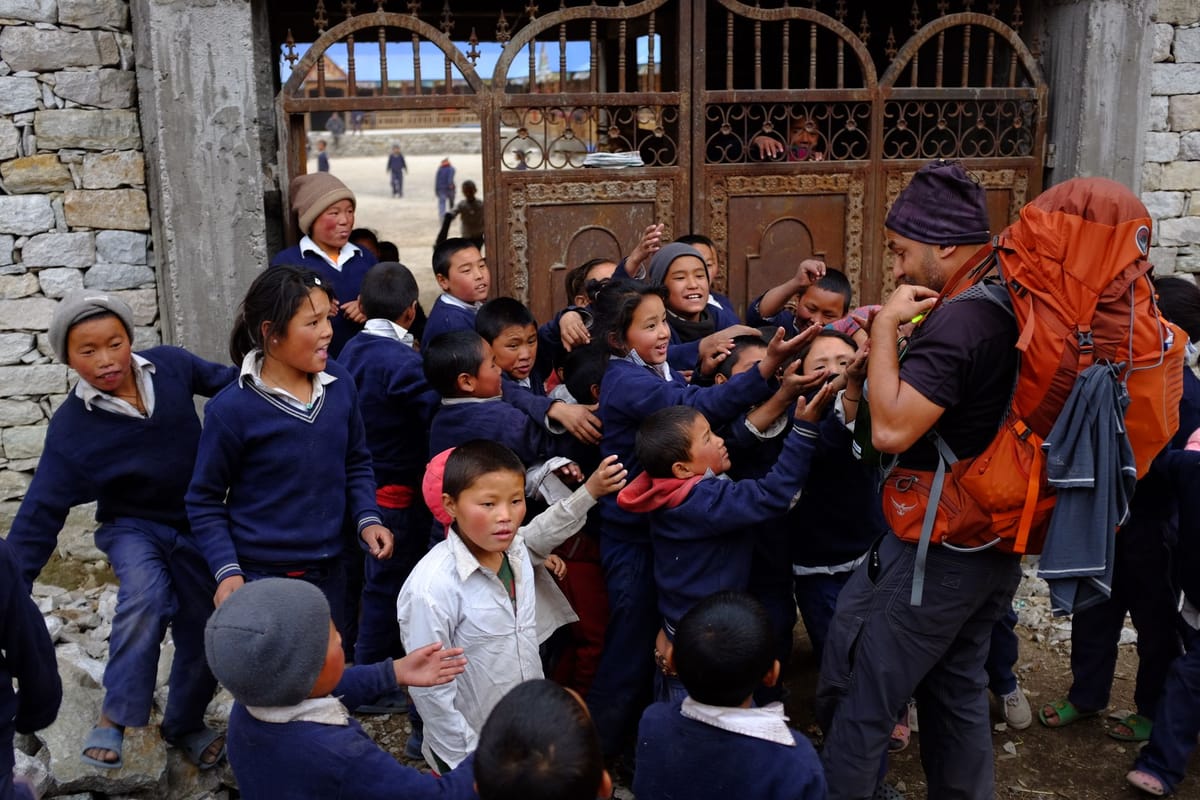
A trekker who reached Tilche in 2018 wrote afterwards that when she found a room with a private bathroom and a Western toilet, she nearly cried. She described it as luxury. This is useful information about what the Manaslu Circuit is.
The permits
Three permits are required: the Manaslu Restricted Area Permit (RAP), the Manaslu Conservation Area Permit (MCAP), and the Annapurna Conservation Area Permit (ACAP) for the section of the route that passes through ACAP territory. The RAP costs approximately $100 for the first week during the main season (September to November) and $15 per day after that.
The RAP also requires a licensed guide. Not a porter, a guide. You cannot obtain the permit without one. If you have done the Annapurna Circuit without a guide and are planning to approach Manaslu the same way, this is where the comparison ends.
The infrastructure
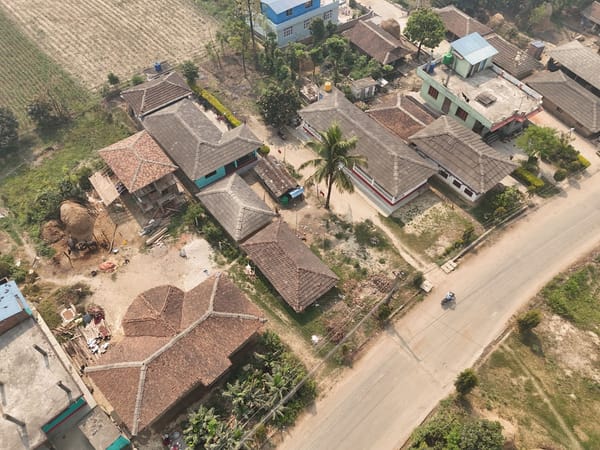
The marketing phrase for Manaslu is 'authentic alternative.' Both words are doing real work. Authentic means the teahouses are built from mud, stone, and timber, the same materials as the houses in the villages where they stand. They are not tourist infrastructure placed in a mountain setting. They are mountain infrastructure that also accepts trekkers.
One trekker put it plainly: "They're not polished, not funded by outsiders. When you step inside, you don't feel like you're in 2024. You feel like you've gone back in time." This is accurate. It also means: shared dorms on foam mattresses in most lodges above Deng, squat toilets that become less reliable as altitude increases, no guarantee of hot water above Namrung, limited phone signal above Philim, no ATMs after Arughat.
Alternative means it is quieter than Khumbu and less agency-saturated than the Annapurna Circuit. This is real. But the comparison is not between Manaslu and Everest Base Camp at the same level of service. The comparison is between a route with mature infrastructure and one that is still developing. The trekker who found Annapurna uncomfortable and is hoping Manaslu will be better organised will be disappointed. The trekker who found Annapurna too crowded and too polished may find Manaslu exactly right.
Larkya La
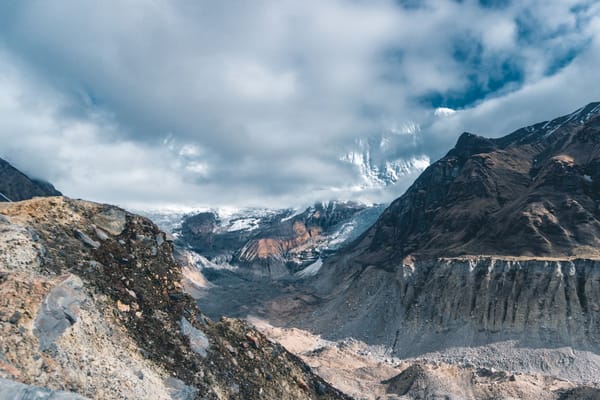
The pass is at 5,106 metres. The ascent from Dharamsala, the high camp, to the top takes four to five hours. The descent to Bimthang takes three. This is one of the longer high-altitude crossing days on any standard Nepal trek.
Most itineraries build two rest days at Samagaon (3,530 metres) before the push toward the pass. These are not optional. They are the acclimatisation mechanism. The pass is crossable from early October through mid-November and from March through early May. Outside those windows, the risk from snowfall is substantial. The descent to Bimthang is steep and requires care on the upper section regardless of season.
The porters
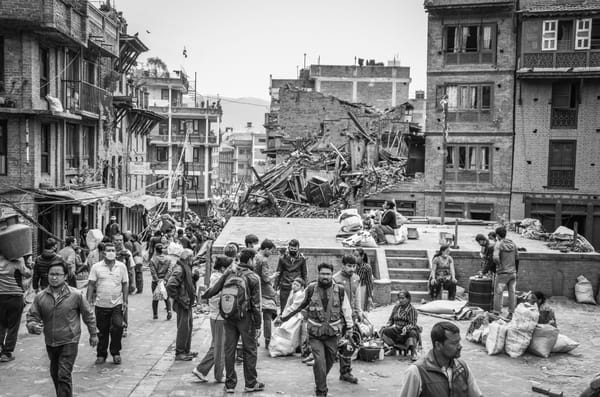
On the Manaslu Circuit, you will see porters. You will see some of them in inadequate footwear at altitude. This has been documented by trekkers on recent circuits and is consistent with what local guides report.
The porter welfare problem exists on Annapurna and Khumbu as well, but it is more visible on Manaslu because the route is less developed and there are fewer trekkers per porter. The individual porter is easier to see. If you are hiring locally through your guide: confirm what gear your porter carries before you leave. If they do not have adequate footwear, a warm layer, and gloves for high altitude, provide them. Agree on load weight in advance. Rs 500-800 per day in supplemental equipment is a rounding error in the total cost of a Manaslu permit and guide.
The road
The trailhead has moved. The road that used to stop at Soti Khola has pushed further up the valley, in some sections past Philim. Most trekkers now take a jeep from Arughat or Soti Khola to a point that used to require two or three days of walking. The lower-elevation approach through terraced farmland and riverine forest is, for many, now a jeep window.
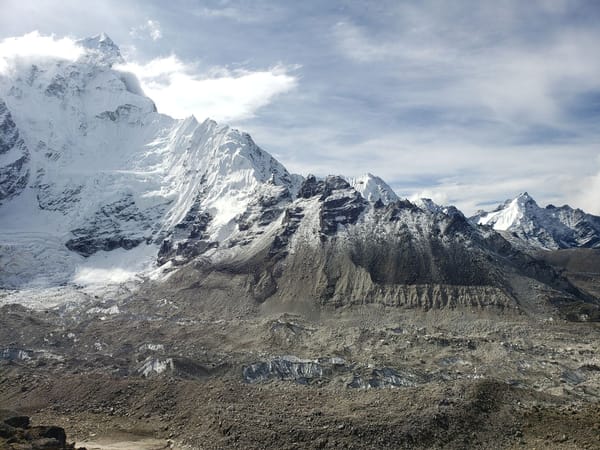
The upper section of the circuit, from Philim through the Nubri Valley and into the Tibetan-influenced villages above Deng, remains unchanged. This is the part of the route that delivers what the marketing promises. Samagaon and Samdo sit in a high valley that looks across to Manaslu at 8,163 metres. The villages have Tibetan Buddhist monasteries and gompas maintained by communities that have been here for centuries. The road has not reached this part. It may, eventually.
Season and timing
October and November are the main trekking months. The skies are clear after the monsoon and the pass is reliably open. March and April are the second season: longer days, some remaining snow on the pass, rhododendrons in the lower valley. May is possible but the pass becomes unreliable toward the end of the month. June through September: the route is technically open but the trail is wet, leeches are present below 2,500 metres, and visibility is limited most days.
Who this trek is for
The Manaslu Circuit is for a trekker who has completed at least one major Nepal route and found it wanting in a specific way: too structured, too busy, too much of a known quantity. It requires a licensed guide, which changes the dynamic of the experience considerably from a solo circuit. It requires comfort with genuinely basic accommodation for stretches of several consecutive days. It requires the physical preparation to cross a 5,106-metre pass after fourteen or more days of walking.
If you need reliable hot showers, Western toilets, and charging points every night, this is not the right circuit. That is not a quality judgment. It is a description.