Every Photograph of Phewa Lake Is Already Out of Date


Between 1996 and 2020, Phewa Lake lost 15 percent of its surface area. Not to drought. Not to diversion. To silt, carried down by monsoon water running off hills where the trees are gone. The lake that every photograph makes permanent is, by measurement, smaller than the lake in the previous photograph.
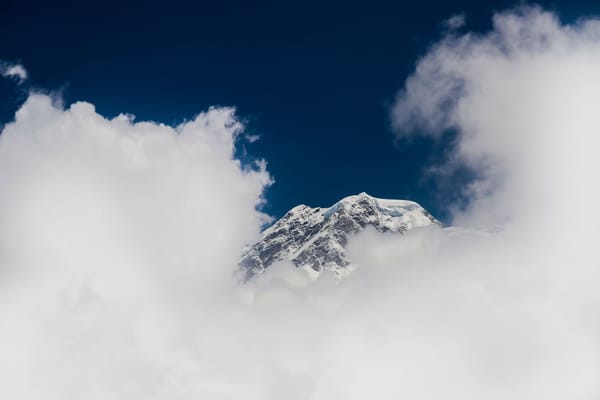
At 787 metres above sea level in the Pokhara valley, Phewa is Nepal's second-largest lake and its most visited. The Annapurna range fills the northern sky on clear mornings. The Barahi Temple sits on a small island two hundred metres from the eastern shore. Boats move across water that, in the right light, holds the mountains upside down inside it.
Most visitors who come here do not know the lake is shrinking. Most articles do not say so.
What Phewa Lake is
Phewa is a natural lake that was made larger by human hands. A dam constructed in 1964 raised the water level, creating the extended shoreline that Lakeside, Pokhara's tourism district, now runs along. The current lake is a product of both geology and infrastructure.
Satellite analysis from Watson et al. (2019, Remote Sensing, MDPI) measured the lake at 4.61 square kilometres at its 1961 peak. By 2018, that figure had dropped to approximately 4.0 square kilometres. Average depth has fallen from around 23 metres to just over 10 metres. The mechanism is direct: monsoon rains strip topsoil from deforested hills above the watershed, and runoff carries that sediment into the lake. Year by year, the lake fills from the bottom.
Pokhara sits within one of the wettest regions in Nepal, which makes the deforestation problem upstream both more damaging and harder to reverse. Catchment restoration programmes exist. Progress is uneven.
The Machhapuchhre reflection
There is a window for it. Before ten in the morning, on clear days between October and March, the surface of Phewa Lake holds a near-perfect reflection of Machhapuchhre, the 6,993-metre peak whose profile Nepalis call the Fish Tail. At sunrise, the water catches orange and pink before the blue of the sky settles in. The wind comes up by mid-morning and breaks the image apart.
This is the photograph that has been reproduced more than any other image from Pokhara. Machhapuchhre inverted in the water, the actual mountain behind it. To get it, you need the right season, a calm morning, and to be on or near the water before most tourists are awake.
The best time to visit for the reflection is the dry season. During monsoon, cloud cover is nearly constant and the lake surface is disrupted by rain. November is the most reliable month for still-water conditions at dawn.
Barahi Temple: the island shrine
The temple is on an island. A small one, roughly 200 metres from the eastern shore, reached by wooden rowboats hired from the Lakeside ghats. Some of the boats are rowed by ghatwali, women whose families have worked these waters for generations, and who sing folk songs as they pull across the lake. The crossing takes about five minutes.
Barahi Temple is a two-storey pagoda dedicated to Tal Barahi, a goddess whose name translates directly as Lake Barahi. The lake and the temple share a deity. The ground-floor shrine holds a small stone image of the goddess, worn smooth by decades of devotion. The upper sanctum is reserved for priests.
Saturdays bring the largest crowds. Families row out with offerings, pigeons cluster on the pagoda roof, and the smell of incense carries across the water before you reach the island. This is an active puja site, not a monument. On Saturdays and festival days, devotees bring goats, ducks, and hens as offerings to the goddess. Visitors are welcome, but the temple exists for the people who worship there.
Shoes come off at the entrance. Photography in the inner sanctum is a matter of reading the moment and the people around you.
Boating on Phewa Lake
There are no motorboats for public hire on Phewa Lake. The decision was made to preserve water quality and keep noise levels down. What this means in practice: wooden rowboats, paddle boats, and kayaks. The rowboats are rented by the hour from the Lakeside ghats. Most visitors hire one, row out toward the middle, and stop when they feel the scale of what is around them.
For the Barahi Temple visit, hire a boat from the eastern ghats nearest the island. For the reflection shot of Machhapuchhre, position yourself on the western side of the lake in the early morning, looking northeast.
Kayaking is available through operators along Lakeside. The lake is calm enough for beginners in the morning. Wind conditions in the afternoon make the western stretch more demanding. See things to do in Pokhara for current operator listings.
The lake now
Research published in peer-reviewed journals has documented 42 waterbird species on Phewa Lake. Cattle egrets remain the most abundant, followed by great cormorants. Pied kingfishers and common kingfishers work the reed margins. Bar-headed geese, little grebes, and ruddy shelducks arrive with the winter migrants. But waterfowl counts have fallen from surveys conducted thirty years ago. The shallowing of the lake has changed the underwater structure that fish and the birds that eat them depend on.
The tourism economy around Phewa runs at full volume. Lakeside is loud, commercial, and busy through the main season. The lake itself is quiet on the water.
The sediment keeps arriving. The water level holds, maintained by the dam. The surface, on the right morning, still gives back the mountains.