The 2014 Khumbu Icefall Avalanche: The Day That Changed Everest
On April 18, 2014, sixteen Sherpas died in the Khumbu Icefall. What followed was the first organised Sherpa strike in Everest's history.

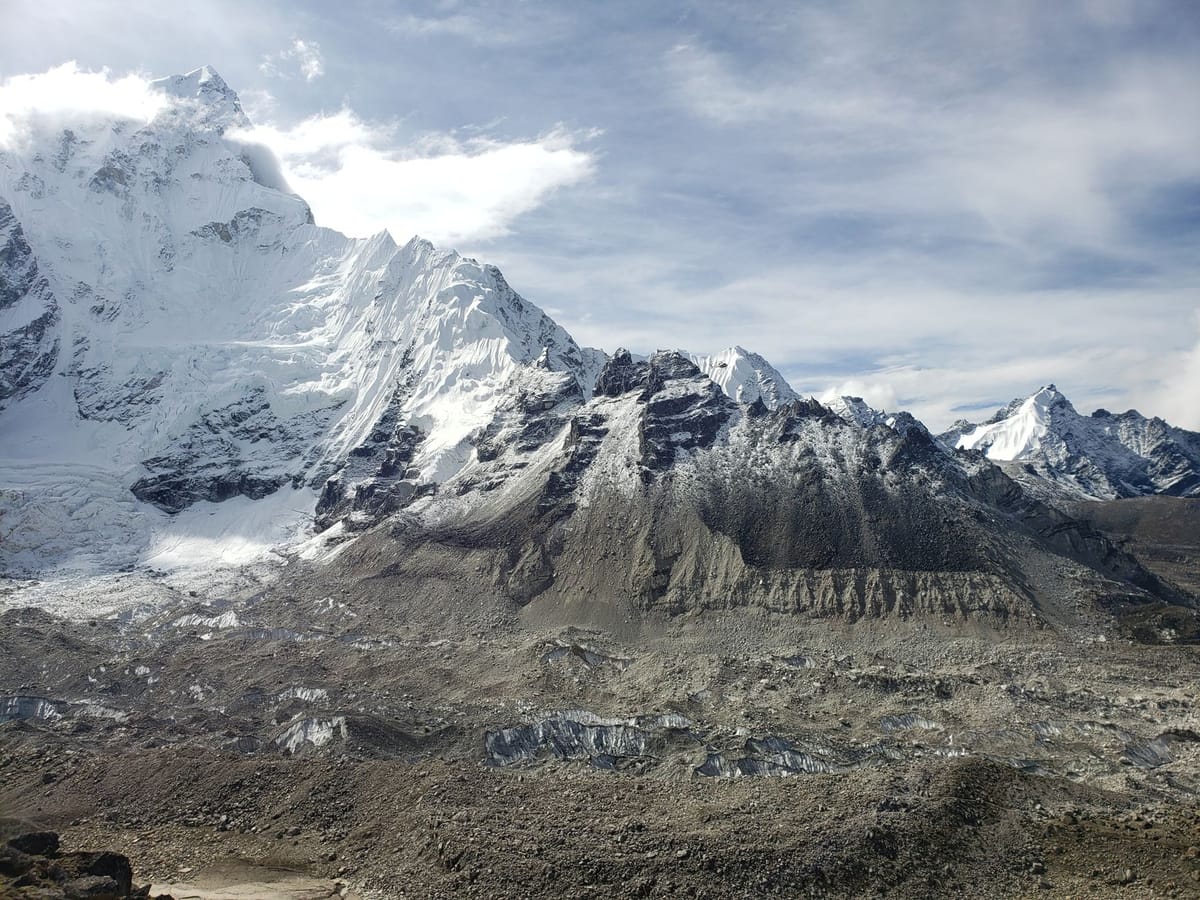
At 06:45 on April 18, 2014, twenty-five men were moving through the Khumbu Icefall. They were carrying tents, stoves, oxygen cylinders, and fixed ropes for the season ahead. The serac that fell on them was estimated at 34.5 metres thick and 14,300 tonnes. It broke from the western shoulder of Everest without warning. Sixteen men did not come out of the Icefall. Nine were injured. Three bodies could not be recovered.
This was the deadliest single incident in Everest's commercial history.
What Happened at 06:45
The group had started early, as Icefall teams always do. Early morning is when the ice is coldest and most stable; the serac fall risk is lower in darkness and before the sun hits the upper faces. There had been delays from poor conditions. The men were behind schedule, already higher in the day than was ideal, when the ice released from above.
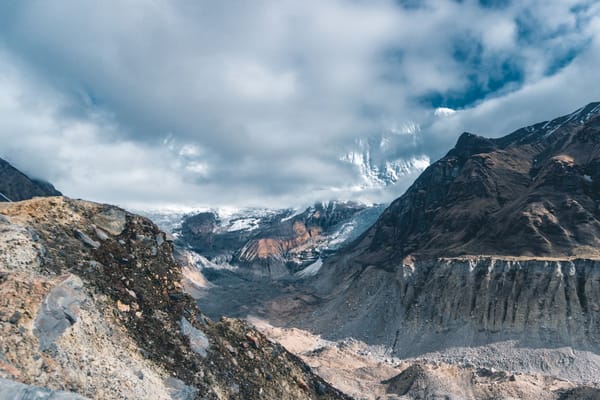
The serac fell at approximately 5,800 metres elevation. The Khumbu Icefall moves roughly one metre per day due to glacial flow; seracs form, shift, and collapse as the ice presses through the narrow valley from the Western Cwm. There is no permanent safe path through it. The route is re-scouted and re-fixed every season by the men known as the Icefall Doctors. What changes is the path. What does not change is the exposure.
Thirteen bodies were found within two days. Three remained in the Icefall.
Who the Sixteen Were
Ang Kaji Sherpa was a single father of five children. His daughter Chhechi said afterward: There is a vacuum in our family, no one to replace him. He is among the named victims.
Tsering Onchu was 33 years old.
These men were not climbing. They were working. They were fixing the ropes and stocking the camps that would allow foreign climbers, who had paid approximately $65,000 each for a Nepal permit, to safely ascend the mountain in the weeks ahead. The distinction matters and has been consistently underemphasised in Western coverage.
The full list of sixteen names is recorded in the Himalayan Database. In most international coverage from April 2014, the primary frame was the disaster's impact on the climbing season.
The Khumbu Icefall: Why It Is Always Dangerous
The Icefall is not a feature that can be avoided on the standard Everest south route. It is the only way from Base Camp to the Western Cwm, and through the Cwm to the South Col, and from the South Col to the summit. Every expedition using the Nepal route must cross it.
The Icefall moves. A route fixed in the first week of April may be unrecognisable by the third week. Ladders bridge crevasses that shift as the ice flows. Seracs that are stable on one day become unstable without observable change. There is no technology that predicts individual serac release with useful precision.
Sherpas cross the Khumbu Icefall an average of thirty or more times in a single season: going up to stock camps, going down empty, guiding clients up, accompanying clients down. Foreign climbers on guided expeditions cross it twice. The risk distribution has always been structurally unequal and has not changed since the first commercial expeditions of the 1990s.
The Government's Response
Nepal's initial compensation offer to the families of the sixteen men was 40,000 rupees. That is approximately $400.
The Sherpa demand was $10,000 per family. The government's final offer, made after negotiations and public pressure, was 500,000 rupees, approximately $5,100. The gap between $400 and $10,000 is not a negotiating error. It is the ratio that had historically governed how Nepal valued Sherpa lives against the economics of the climbing industry.
The country earned over $3 million from Everest permit fees in 2014. Each foreign climber had paid $65,000 for the right to attempt the mountain. Sherpa guide income for a full season runs between $5,000 and $8,000. The life insurance payout before 2014 was $10,000 upon death.
The First Strike
Three hundred and fifty Sherpas refused to continue. The 2014 season was cancelled. This was the first organised Sherpa work stoppage in Everest's commercial history.
The climbing economy that was suspended was worth hundreds of millions of dollars annually when equipment, lodging, porter fees, and tourism downstream of expeditions were counted together. The Sherpas who refused were risking their primary income source.
What they won: insurance increased by 50% to $15,000 per death. Medical insurance was raised by a third. The government committed to fund the education of victims' children. A memorial was to be built. What they did not win: guaranteed pay in the event the season is cancelled by circumstances beyond their control. This gap has not been closed.
What Changed
Insurance now stands at $15,000 for death, up from the pre-2014 figure. Helicopter rescue cover has been increased. More medical staff are deployed at Base Camp. The Khumbu Icefall route still crosses the same seracs. The crossing disparity, thirty Sherpa crossings against two foreign climber crossings per expedition, remains unchanged.
The Icefall Doctors continue to work each season, re-fixing routes through terrain that will not be fixed. The men who do this work are from the same communities as the sixteen who died in April 2014.
In 2015, an earthquake on April 25 triggered an avalanche from Pumori that killed nineteen people at Base Camp and injured dozens more. Two consecutive closures accelerated some structural conversations about risk and compensation. Neither season produced the changes the Sherpa community had demanded in 2014.
The mountain generates revenue. The labour that makes it accessible is priced accordingly.
Frequently Asked Questions
How many Sherpas died in the 2014 Everest avalanche? Sixteen Sherpas were killed in the Khumbu Icefall on April 18, 2014. Nine were injured and three bodies could not be recovered.
What caused the 2014 Khumbu Icefall avalanche? A serac estimated at 34.5 metres thick and 14,300 tonnes released from the western shoulder of Everest at approximately 06:45 local time, falling onto the Icefall at 5,800 metres.
Did Sherpas boycott Everest after the 2014 avalanche? Yes. Approximately 350 Sherpas refused to continue the season. It was the first organised work stoppage in Everest's commercial history. The 2014 season was cancelled.
What compensation did Sherpa families receive? Nepal's initial offer was 40,000 rupees ($400). After negotiations, families received approximately 500,000 rupees ($5,100) plus increased insurance, medical coverage, and education funding for victims' children.
Was the 2014 climbing season cancelled? Yes. The cancellation was the first in Everest's modern commercial history resulting from a Sherpa work action.
What changed for Sherpas after 2014? Insurance was increased to $15,000, medical cover was raised, and a memorial was committed to. The fundamental crossing disparity, the structural inequality in how many times Sherpas versus foreign climbers cross the Icefall in a season, was not addressed.