Nepal's Earthquake Recovery: What a Decade Looks Like on the Ground
Ten years after the 2015 earthquake, Nepal's recovery is uneven. What the rebuilt villages look like, what the NRA achieved, what was left behind, and what the landscape of disaster and reconstruction reveals.

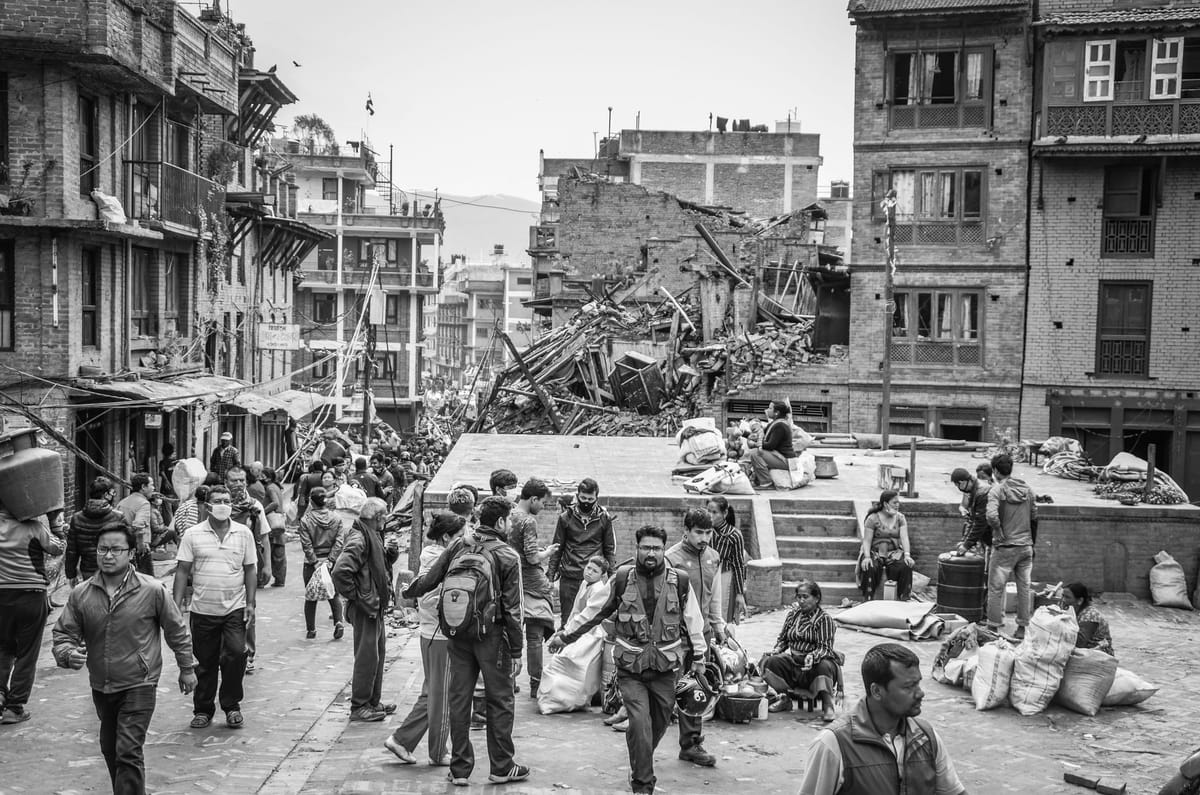
On December 9, 2021, Nepal's National Reconstruction Authority held its closing conference in Kathmandu. The organisation had been established to rebuild after the earthquake of April 25, 2015. Its official record showed 93 percent of eligible households had received the final tranche of their housing grant. The NRA's tenure was declared complete.
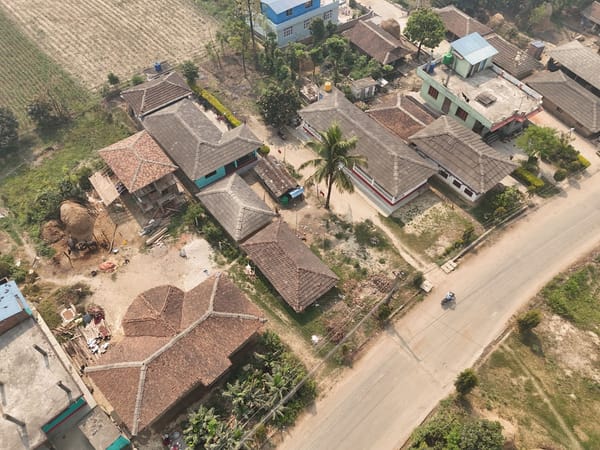
Seventy kilometres north, in Sindhupalchok district, some of the last temporary shelters were still occupied.
What 'complete' means
The NRA operated on an owner-driven model. After verification of earthquake damage, eligible households received grants in three tranches, each conditional on reaching a construction milestone. The grant covered a standard design: a two-room earthquake-resistant structure following national building code requirements. NRA-appointed engineers verified each stage. Deviation from the approved design could mean losing the final tranche.
The problem was that most of the destroyed houses were not two rooms. In Sindhupalchok, Gorkha, and Rasuwa, the typical hill house had been two storeys, sometimes three, with rooms accumulated over generations. A family of six had not been living in two rooms before April 2015. The grant covered what the government had decided was safe. It did not cover what the family had lost.
Eighty-six percent of damaged homes had been multi-storey. Under grant conditions, adding unauthorised rooms risked losing all three tranches. The result: families who could not afford not to add rooms did so anyway, then did not call for the final inspection. The money stopped. The rooms exist. They are not in the official completion figures.
Others built the two-room structure, passed the inspection, received the grant, and then built additional rooms with whatever money remained. The certified house is two rooms. The house people live in is larger. These numbers do not reconcile.
The money
Nepal needed $6.7 billion to rebuild. The international conference held in Kathmandu in June 2015 produced pledges of $4.4 billion. India pledged $1 billion. The Asian Development Bank pledged $600 million. Japan pledged $260 million.
Three years after the earthquake, 16 percent of pledged aid had been disbursed. Fewer than 10 percent of the 500,000 identified damaged homes had been rebuilt. Many people were still in temporary shelters. The World Bank noted that Nepal's absorption capacity, its ability to receive and deploy funds at scale, was a significant constraint. This is accurate. It is also a way of describing a gap between what is announced in conference halls and what arrives in Sindhupalchok.
The NRA's closure in December 2021 did not mean the gap had closed. It meant the authority's mandate had ended.
The heritage
The three royal squares of the Kathmandu Valley held 130 monuments and temples between them. Fifty were significantly damaged or destroyed. The restoration work has been technically careful and internationally funded. From the main tourist routes through Bhaktapur and Patan in 2025, the squares look more or less as they did before April 2015.
What looks different, if you know where to look: the potters' square at Kumha Twa in Bhaktapur, where working potters have dried their wares on the pavement outside active workshops for centuries. The social life of the square, the working potters whose kilns and wheels occupied spaces adjacent to damaged structures, was displaced during reconstruction and has not fully returned. A working heritage site and a restored facade are not the same thing.
The Kasthamandap, the three-storey wooden pavilion at the heart of Kathmandu Durbar Square from which the city takes its name, was destroyed in April 2015. It was rebuilt and reconsecrated in 2023. The timber was sourced from government forests under special permission. The craftsmen were Newa woodcarvers working from photographs and surviving drawings. When it was done, it looked like the Kasthamandap. Whether it is the Kasthamandap is a question the Newa answer differently from the preservation architects.
The generation that left
Nepal's urbanisation rate was already among the highest in Asia before April 2015. The earthquake accelerated something already in motion. In the hardest-hit hill districts, the pattern is consistent: the young rebuilt, and then used the new roads, some of which came with reconstruction infrastructure, to leave.
The calculation is not complicated. A rebuilt house in Sindhupalchok is still four hours from a functioning hospital. Still without reliable employment. Still dependent on remittances from men in Qatar and Malaysia. The earthquake did not create the conditions that made people leave. It sharpened them.
In some villages, the rebuilt houses are already empty. The two-room structure stands, certified and signed off, and the family is in Kathmandu.
The NRA built houses. It did not build the reasons to stay in them. That was a different problem. It was not in the mandate.