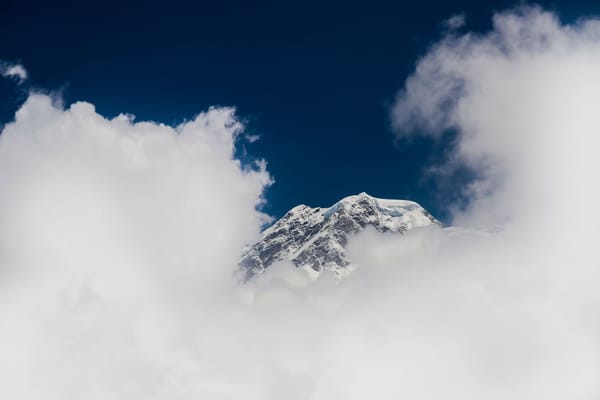
Solo Female Travel in Nepal: What the Actual Risk Profile Looks Like
The risk profile for solo female travel in Nepal is not what the travel forums say it is - in either direction. What the numbers, the trail culture, and the ground conditions actually show.


At 9:10 p.m. in Thamel, the street is bright enough to read a menu without leaning into the light. A boy wheels a tray of momos through the crowd, steam hitting his face like breath. The sound you notice first is not danger, it is insistence: “Madam, hash?” from a man who will keep pace for 27 steps, then switch to “Taxi?” without missing a beat. When people say solo female travel Nepal safety, this is often what they mean, the grind of being addressed as a walking wallet, the small, constant tax on your attention. Not a knife. Not a kidnapping van. The feeling of being watched, and having to keep walking anyway.
Nepal’s reputation for being “safe” is not a lie. It is also not the full map. Violent crime against tourists is low. Hospitality is real. But the risks that matter are specific: the wrong guide in the wrong valley, a bus seat you cannot move from, the exhaustion of refusing the same man politely three times. Safety here is less about fear, more about choosing what to avoid, and what you are willing to manage.
Women who arrive in Nepal after time elsewhere in South Asia or Southeast Asia often describe a specific shift in texture. Not a dramatic contrast, but a measurable one: the street attention, while present, tends toward curiosity rather than sustained pressure. The help-when-you-ask culture is unusually reliable. Nepal's rate of violent crime against tourists sits among the lowest in the region, a fact that gets buried under the louder conversation about harassment. Women who have done broad South Asia itineraries often say Nepal was the place where being a solo traveller felt, for the first time, like a logistical fact rather than a defining condition of the trip. That is not universal, and it is not every day. But it is reported consistently enough to be worth naming before the complications arrive.
The street risk is real, the violence risk is usually not
If you arrive in Kathmandu expecting danger, you will likely be surprised by the ordinary rhythms: families walking after dinner, students on scooters, shopkeepers drinking tea on a plastic stool. Many women travelling alone report the same thing, a baseline sense of ease. One traveller wrote, “Kathmandu is generally safe for female solo travelers… locals are friendly and helpful… you can always reach out to tourist police if needed.” It is a practical observation, not a love letter. There are systems, and there are people whose job it is to intervene when a situation is turning.
But the city can still wear you down. Another visitor put it more bluntly: “Basically only place in Nepal that me as a man got uncomfortable, due to all the relentless scammer dudes coming up to me… If I was a solo female I'd definitely have felt threatened.” The threat is often social rather than physical. Thamel and Lakeside are built on attention. You will be approached. You will be followed for a minute. You will be offered “just a quick drink” by someone who has done this all night.
The counter-intuitive part is that the harassment often escalates when you engage with it as a moral debate. A refusal does not need to be a speech. In Nepal’s tourist zones, a firm “No, thank you” and movement is usually more effective than explanation. The goal is not to win a conversation. The goal is to keep your day intact.
That said, it is also true that visibility changes the texture of attention. One traveller noted, “you’re less likely to be approached by creeps… specially if you’re tall and white, as you’ll get a lot of local attention.” It sounds like a contradiction until you have lived it. Being conspicuous can make you a target for offers and requests, but also makes bystanders more alert to you, more willing to step in, more likely to ask if you are okay. Nepal is a country where the gaze cuts both ways.
Buses, taxis, and the trapped-seat problem
Long-distance travel is where many solo women discover the difference between discomfort and risk. You may never feel unsafe in a guesthouse courtyard, then spend seven hours on a bus with no aisle space, no privacy, and a man who thinks the ride is an invitation.
The reports are consistent. “If you take buses it might happen that people might try a bit too hard to flirt with you, but nothing more,” one traveller wrote. Another said they had “one minimally uncomfortable encounter” on a less populated stretch, at a teahouse run by a man and his mother, where “the man made a pass at me.” These stories are not about violence. They are about being cornered by circumstance: the seat, the schedule, the fact that you are far from the soft exits of a city.
This is why “common sense” advice can be insulting. Most solo women already practice it. What helps is logistics.
In Kathmandu and Pokhara, the risk management is simple: choose the transport mode that gives you an exit. A ride-hailing app, a taxi you call from inside your hotel, a seat near other women on a tourist bus, a micro-strategy that matters because it changes your options when you need to end an interaction. When you are purchasing a bus ticket, you are not just buying a journey. You are buying the right to move your body, or the loss of that right for the next six hours.
And it is worth saying plainly: the greatest physical danger in Nepal’s transport is not sexual assault, it is road safety. Mountain roads, long hours, tired drivers, weather that changes quickly. If you are assessing “safety” like a ledger, the likelihood of a crash on a night bus is a bigger number than the likelihood of an attack by a stranger in Kathmandu.
Trekking: the stories that should change your risk model
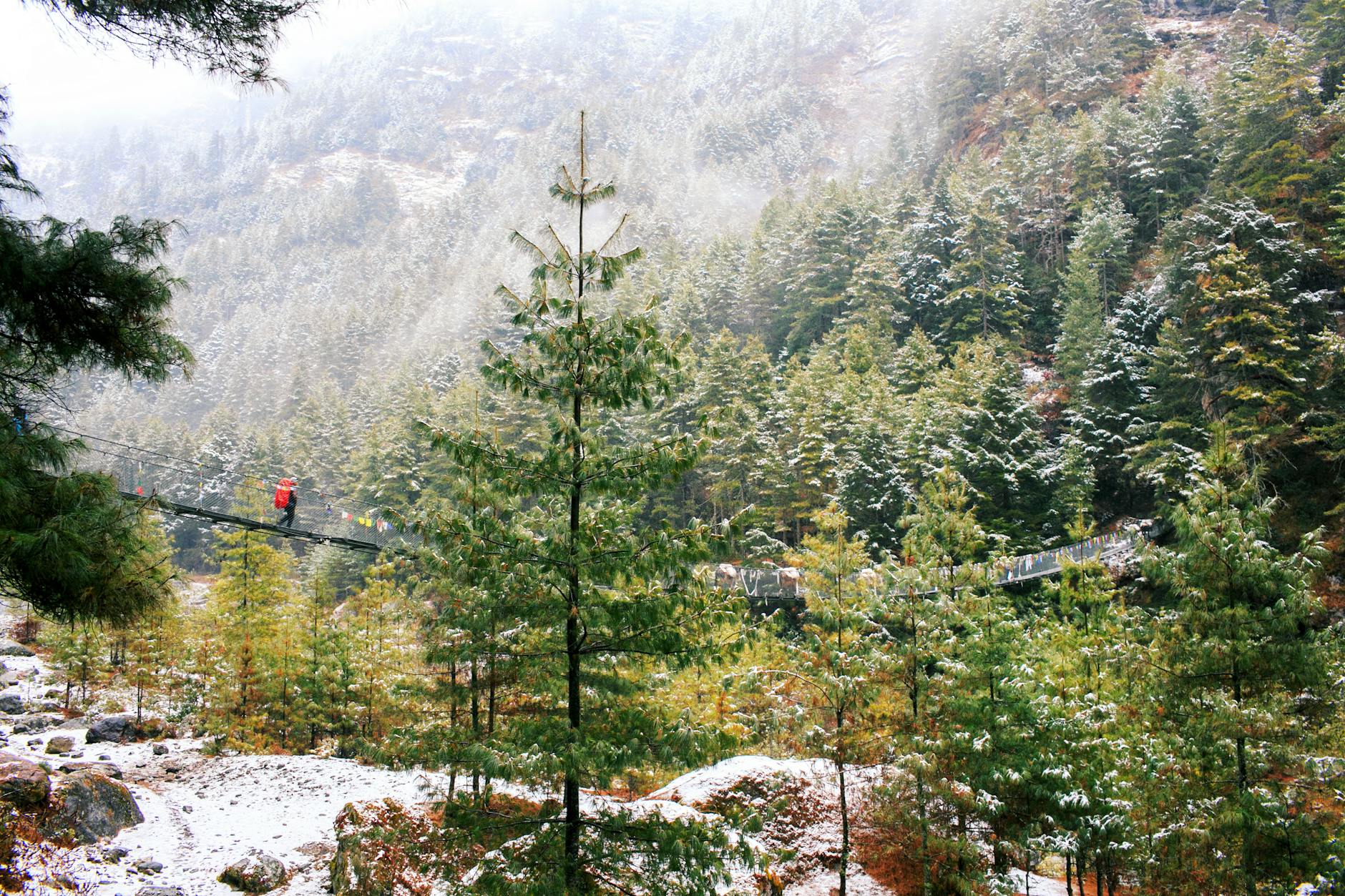
The most serious reported assaults in Nepal’s tourist world cluster in a place many people call “safe by default”: the trail. That is not because the mountains are full of predators. It is because isolation concentrates power.
One traveller wrote a line that should be read without flinching: “A female American friend of mine was raped repeatedly by her Nepali guide while trekking. The idea that safety requires bringing a stranger with you into remote wilderness is nonsense.” The sentence cuts through the usual script. “Hire a guide” is not safety advice by itself. It is a staffing decision. It matters who that person is, how they are vetted, what accountability exists if you need help, and whether anyone will notice if you do not return on schedule.
It is one story. Tens of thousands of women trek Nepal every year, the majority without incident. That quote belongs here not because it is representative but because it identifies the variable that matters: not Nepal, not mountains, not solo travel as a category, but an unvetted person given close access in a place with no easy exits. That variable is manageable. The section below explains how.
This is where Nepal’s current guide-mandate debate becomes more than policy. The argument is framed as protecting trekkers. The reality is more specific: registration creates traceability. It does not guarantee character. It does create paperwork, and paperwork is one of the few levers that can be pulled when someone disappears into the hills with you.
The practical difference is not “guide versus no guide.” It is registered versus unvetted, and popular trail versus remote route.
On crowded routes like the Everest Base Camp trail and the Annapurna Circuit, the social fabric itself is a safety net. You pass other trekkers every 90 seconds in peak season. Lodges know each other. A woman alone is noticed. In that context, solo travel can feel surprisingly normal.
What the EBC trail looks like for most solo women in peak season is worth saying plainly: social, safe-feeling, and often the richest travel experience they have had anywhere. Strangers become walking companions within a day. Teahouse dinner tables mix nationalities and itineraries. The informal network of trekkers watching out for each other is not a policy, it is a product of proximity and shared purpose. The mountain and the difficulty make people unusually helpful. Most solo women who walk this trail describe it in those terms. That is also part of the risk profile.
On less trafficked routes, your world can shrink to a single lodge courtyard, a single man who owns the property, a single path out. The “teahouse pass” story lives here. Not because every lodge owner is dangerous, but because your choices are fewer. In remote areas, an uncomfortable moment is harder to leave.
If trekking is on your plan, the most protective action you can take is bureaucratic, not romantic: hire through a registered agency, confirm credentials, keep a copy of ID, and tell at least two separate people your itinerary, including expected lodge stops. Carrying a satellite communicator is not paranoia. It is a tool that changes the consequences of being alone.
What conservative dress does, and what it does not
Nepal’s social rules are legible once you stop trying to decode them as friendliness or threat. Hospitality here can be deep and immediate. A family may offer tea within five minutes. A shopkeeper might walk you to the right lane without expecting payment. That warmth is not a trick.
At the same time, tourist areas have their own economy of attention. A woman alone can be read as available in the way “alone” is read in many places: as less protected by social consequence. Dressing conservatively can reduce a certain type of comment, especially outside the tourist strip. It signals that you understand the public-private boundary. In the Terai, where the temperature can sit at 34°C in April and the culture faces south into Bihar’s rhythms, conservative dress is not a costume. It is simply the default public posture.
But clothing is not a force field. It will not stop a man from testing whether you will say yes. What it does is change the category you are placed in, from “tourist who does not know” to “woman who is moving with intention.” Sometimes that is enough to end a conversation faster.
The other piece of cultural navigation is learning that a smile is not a contract. In Nepal, smiling is social oil. It can mean warmth, embarrassment, discomfort, politeness, or fatigue. You do not owe anyone escalation because you were kind.
What the majority of solo women report
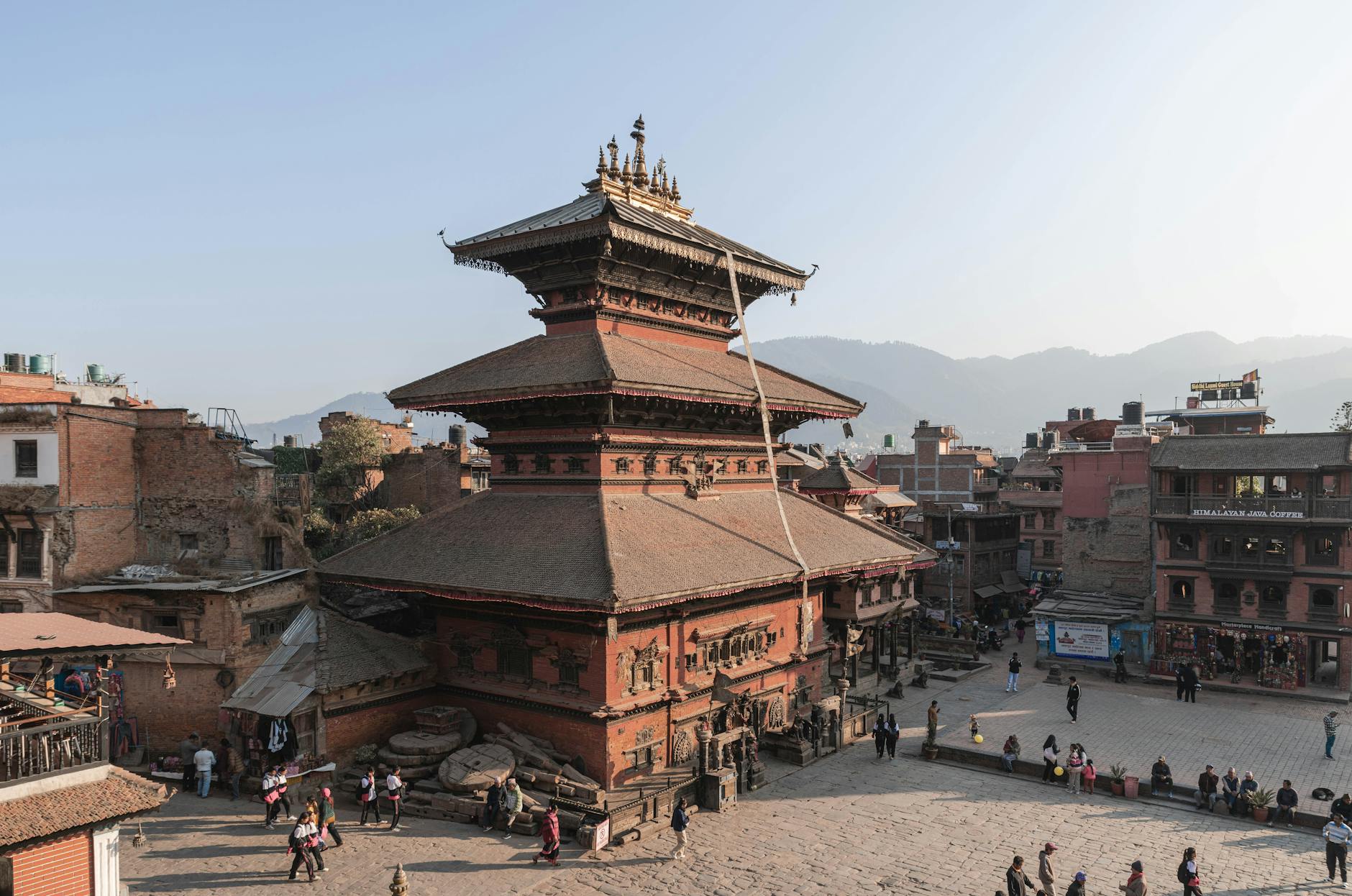
The accounts that circulate from Nepal are the ones worth circulating: something went wrong, required managing, or confirmed a concern. That is how travel information spreads. What spreads less readily is the quieter report - three weeks in Nepal, no incidents, going back. That account exists in much larger numbers and deserves the same space.
One travel writer who spent extended time in Nepal was direct about it: "I experienced zero problems. Zero marriage proposals, zero catcalling, and zero of the usual 'Hello madam, where you go?' nonsense." Another, who has returned to Nepal multiple times: "I tend to walk around at night by myself and am very trusting there, as I've never been in a dangerous situation. I walked everywhere - through Kathmandu's chaos, down quiet back alleys - and I felt safe the entire time."
The specific texture that comes up repeatedly is not just the absence of threat. It is active assistance. Strangers offering to walk a solo woman home at night, unprompted. Locals offering tea and directions to someone who looks lost, without expecting anything in return. One traveller described it plainly: "Nepalis are some of the most quietly welcoming people I've ever met. They won't shout 'WELCOME TO NEPAL!' at you in the street, but they will offer you tea."
Women who arrive with comparison points from South Asia or Southeast Asia register the shift. One traveller who has spent time across multiple countries put it simply: "Nepal is one of the safest countries I've visited. As a woman, it's one of my favourite countries worldwide, and I love how safe I feel there." That is not a naive assessment. It is a report from someone who knows what they are comparing it to.
Both of these things belong in the same article. The risks in the sections above are real, and the accounts in this one are real. Nepal is a country where most solo women have an experience considerably better than what the cautionary articles prepared them for - and where a small number encounter conditions that those articles do not fully prepare them for either. The sections above are for the latter. This section is for the weight of evidence.
The overlooked risk: medical reality and the cost of distance
Safety is also the unglamorous question of what happens when your body fails you. A U.S. State Department advisory in 2024 noted, “Medical services have limited ability to handle regular and emergency care… hospitals in Kathmandu are usually better than in other areas, but they can be crowded, may lack some equipment.” This matters for trekkers and for anyone who thinks “safe” only means “not attacked.”
The hazard landscape includes altitude illness, foodborne illness, and injuries that become serious because rescue is slow. In Kathmandu, you can find competent care, but you may still wait. Outside Kathmandu, your options narrow quickly. If you are travelling alone, the margin for error is thinner because there is no companion to insist, translate, or stay with you while you rest.
This is why “popular trails versus remote routes” is not only about people. It is also about access. A crowded trail has horses, porters, radios, and a flow of bodies that can carry a message. A remote route can be a beautiful silence until you need help and discover what silence costs.
So what is the actual profile, in plain language?
If you are the kind of person who reads six forum threads before booking a ticket, here is the distilled version.
In Kathmandu and Pokhara, most solo women will feel safe walking in central areas during the day and early evening, and will mainly contend with nuisance behaviour: touts, scams, persistent invitations. The mental load is real. One traveller said they felt very safe and added, “Use common sense of course, but you will find the people there to be lovely and helpful.” That is true, and it is also incomplete. The “common sense” is the work: choosing where you stay, avoiding the late-night empty lane behind the clubs, leaving when a conversation turns sticky.
On buses, the risk is being trapped. The most common problem is not assault, it is uncomfortable attention that you cannot escape because your seat is a cage. Tourist buses and day travel reduce this. So does sitting near other women. So does paying a little more for comfort when the cost is the ability to leave.
On treks, the stakes change. The most serious harm stories are disproportionately tied to unregistered, unvetted guides, and to isolation. A guide can increase safety if the guide is accountable. A guide can also become the risk if there is no accountability. The trail is not a morality tale. It is a logistical environment where power either disperses among many people, or concentrates in one.
If Nepal is “safe,” it is safe in a particular way: community presence is dense, violence is rare, and help often appears quickly when you ask for it. The risk is not random male strangers as a category. The risk is systems that allow one person too much access to you, and moments where you cannot exit.
That is not reassurance. It is the profile written to be useful rather than comforting.
Closing: the country is not a postcard, it is a set of choices
Nepal is often sold as a place where the world simplifies: mountains, temples, prayer flags, your small body against a big landscape. For a woman travelling alone, the reality is the opposite. You will make dozens of small decisions every day: which street, which seat, which guide, which lodge, which refusal, which smile. The country will meet you halfway. People will step in. Strangers will be kind in ways that would be strange elsewhere. And in the same day, you may find yourself counting steps to shake a man who will not stop talking.
The point is not to arrive fearless. The point is to travel with an accurate risk model. In Nepal, that model is refreshingly concrete: avoid the trapped-seat, avoid the unvetted guide, choose crowds when you want protection, choose solitude when you are equipped for it, and remember that safety is not a vibe. It is an exit plan you can actually use.