The Last Tea House Before Thorong La
At 4,920 metres, the last tea house before Thorong La is where the Annapurna Circuit separates the people who planned from the people who did not. What is there and what the 3am departure asks of you.

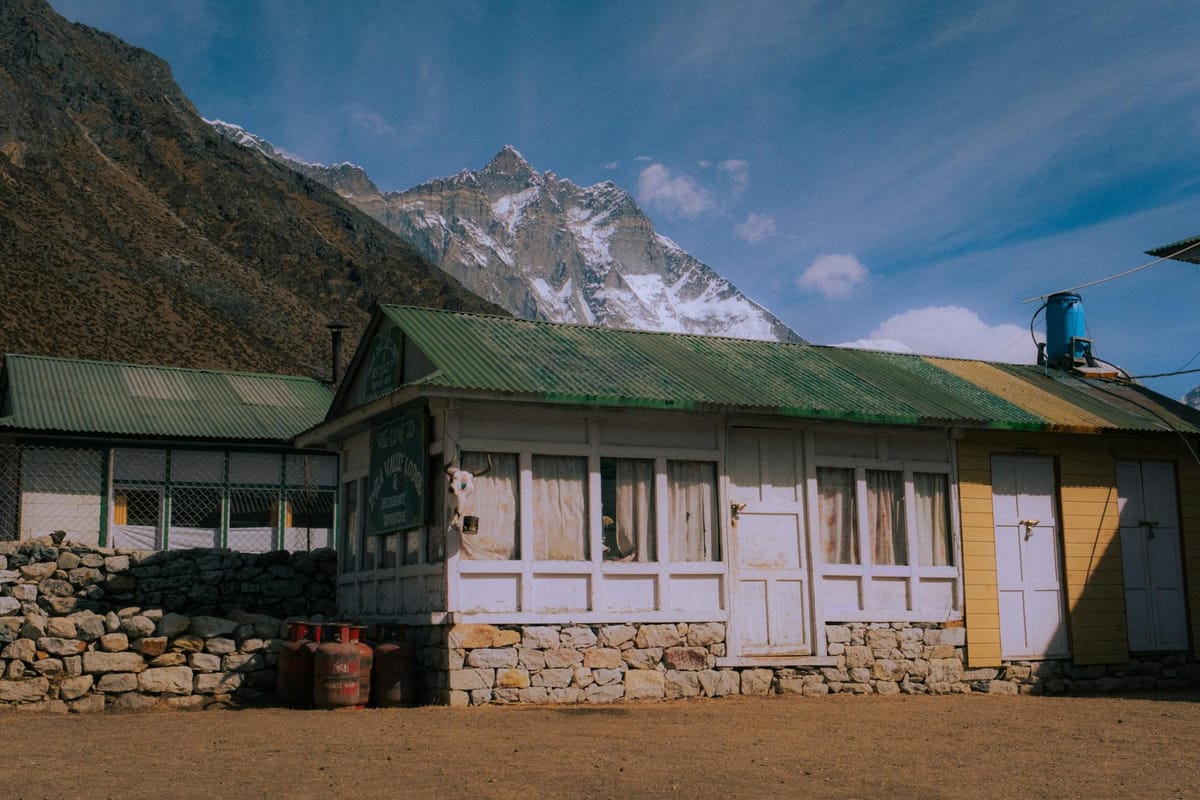
The first thing I noticed was the kitchen light. It was still dark outside, maybe 3:45 in the morning, and the rest of High Camp was silent. But through the thin partition wall of my dorm room, I could hear the sound of pots, gas igniting, water beginning to move. Dil Maya Gurung had been awake for forty-five minutes already.
She has run this tea house at 4,850 metres for twenty-two years. That number carries weight when you are standing in it.
altitude-changes-everything-including-your-judgment">Altitude changes everything, including your judgment
By the time trekkers reach High Camp, most of them have been on the Annapurna Circuit for eight to twelve days. They are lean, acclimatised, tired in the pleasant way that comes from sustained effort. They feel strong. This is the problem.
Altitude does not announce its effects clearly. What it does is quieter: it reduces appetite, disturbs sleep, shortens breath during simple tasks like lacing boots. And it introduces a specific kind of confidence that has no solid basis. You have climbed this far. The pass does not look so distant. The summit photographs that other trekkers carry back look manageable, even routine.
Dil Maya has watched this confidence misfire more times than she can count. She told me she looks at people during the evening meal not to assess their fitness but their eating. If someone pushes food around and leaves most of it on the plate, she remembers them. When they come down for the 4am departure, she watches more carefully.
"The ones who eat nothing at dinner, and still want to leave at four, they are the ones who turn back," she said. "Sometimes they do not turn back soon enough."
What happens in that kitchen before dawn
The menu is simple by necessity. Oat porridge, boiled eggs, toast, tea by the litre. Dil Maya makes it all herself, with one assistant who is also her cousin's daughter and who arrived for the season two weeks before I did.
The gas cylinders are carried up by porter. Everything is. Rice, lentils, the cooking oil, the packets of instant noodles that form the base of the evening dal bhat when real vegetables have run out. The logistics of feeding forty people a night at this altitude are not romantic. They are relentless.
I asked how she manages the loneliness. The season runs from October through November and then again in the spring. Outside those windows, the tea house is empty, locked, stripped of anything that could freeze and crack. She goes to Pokhara for winter. She has family there, a daughter studying in Kathmandu, a sister who runs a lodge lower on the circuit near Chame.
She said loneliness was not the word she would use. "Busy season is too busy to be lonely. Off season is rest."
The Pass Itself
Most trekkers leave before 5am to cross Thorong La before the afternoon winds arrive. The path from High Camp to the top gains about 450 metres over five kilometres. The ground is loose stone and compacted snow in places. The air is thin enough that a pace which felt comfortable at Manang will feel effortful here.
The actual crossing is not technical. There are no ropes required, no scrambling. What it demands is sustained aerobic effort at altitude, the ability to manage pace without the feedback your body usually gives you, and the willingness to turn back if the signs are clear. Around fifteen percent of trekkers who sleep at High Camp do not complete the crossing. They turn around before the top or before they have gone far enough to make the return difficult.
This is not failure. Dil Maya said this directly. She said the ones who worry her are the ones who did not turn back when they should have.
A Room at the Edge of Everything
My room at High Camp cost less than I expected. The window faced east. At first light, the sky went from black to a colour that has no name in any language I know, a bruised orange that the clouds caught and held for eleven minutes before the sun arrived fully and everything became ordinary again.
I missed the 4am departure group. I sat with my tea and watched them file past the window with their headlamps, moving single file up the dark slope. Dil Maya was already washing the breakfast dishes.
She said she has never crossed the pass herself.
"I do not need to," she said. "I see their faces when they come back down."
She refilled my cup without asking.