Sindhupalchok: The District That Is Still Rebuilding
Sindhupalchok lost more people in the 2015 earthquake than any other district in Nepal. A decade later, the reconstruction is still incomplete. This is what the district looks like now.

I was nineteen when the earthquake happened. I was in Kathmandu. My family was in Sindhupalchok. I know what the district was before April 25, 2015 because I grew up there. I know what it has been since because I came back to report on it.
Sindhupalchok lost more people than any other district in Nepal in the earthquake. Roughly 3,500 dead, which was nearly a third of the national death toll from a disaster that killed more than 9,000 people. The physical geography of the district, which sits in the Indrawati river watershed northeast of Kathmandu and includes some of the country's most unstable terrain, was not the cause of the casualties. The building stock was the cause. Stone and mud mortar. Unreinforced masonry. Structures that were the right material for the climate and the resources available and completely wrong for a seismic event of that magnitude.
I am telling you this because Sindhupalchok is a place you can visit now, and because the visit means something different if you understand what it was and what has happened to it in the decade since.
What the district is
Sindhupalchok is a high-altitude district in Bagmati Province, bordering Tibet to the north. The Arniko Highway, which connects Kathmandu to the Chinese border at Kodari, runs through it. The highway has been damaged and rebuilt and damaged again by the combination of geological instability and annual monsoon landslides that characterise this corridor.
The district contains the Langtang valley entry points and the approach to the Rolwaling valley, which is one of the most remote trekking routes in Nepal. The Helambu circuit, accessible from Kathmandu without a domestic flight, passes through its lower reaches. The famous friendship bridge at Kodari, which connects Nepal and Tibet, is in Sindhupalchok. The border has been closed to non-Chinese and non-Nepali nationals for most of the years since the earthquake, a closure that has affected the trade economy of the villages along the highway corridor.
What happened to the villages
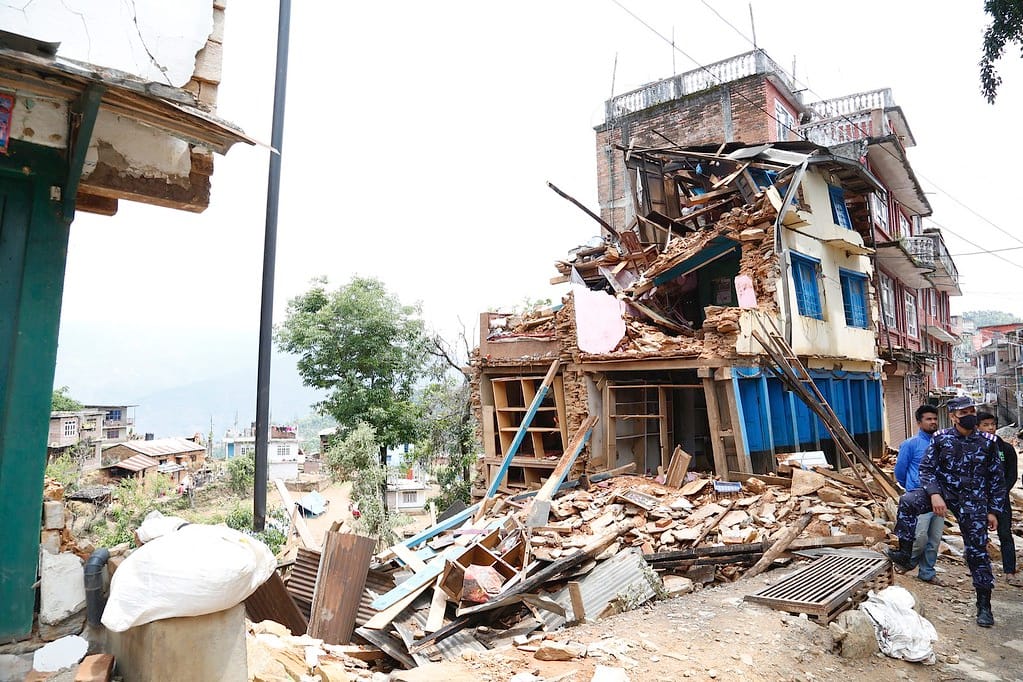
The reconstruction of Sindhupalchok's villages did not happen uniformly or quickly. The national reconstruction authority that was established to coordinate the rebuilding process moved slowly, and the materials and designs it promoted were not always appropriate to the local context. Some villages received corrugated iron sheeting for temporary shelter that remained as their primary structure for three or four years. Some villages rebuilt with reinforced concrete in forms that were structurally adequate but climatically unsuitable for the winter temperatures at altitude.
The villages that rebuilt most effectively were, in my observation across a decade of returning, the ones where the community had strong existing social organisation and where the rebuilding decisions were made locally rather than externally managed. The guthi system of the Newar communities and the equivalent mutual-aid structures of the Tamang communities in the district functioned as coordination mechanisms when the external coordination was failing.
Barpak, in the neighbouring Gorkha district, has been more photographed and more visited as a reconstruction site. Sindhupalchok's reconstruction has received less attention from the outside. This is not because it was less significant. It is because Sindhupalchok has not been organised around its visitability.
The Tamang majority
The majority population of Sindhupalchok is Tamang. The Tamang people are one of the major indigenous groups of the middle hills, with a Buddhist tradition that maintains distinct practices from the Tibetan Buddhism of the highland regions and from the valley Buddhism of the Newar. The Tamang communities in Sindhupalchok maintain their ritual traditions with varying degrees of continuity depending on the village and the generation.
The earthquake's effect on Tamang ritual life in Sindhupalchok was not only material. It destroyed the structures that housed the ritual objects and the space for communal ceremony. The reconstruction of those structures has been slower and less supported than the reconstruction of houses, because the international humanitarian frameworks that funded much of the rebuilding did not have a category for the cultural infrastructure that gives a community its ritual life.
I have been in villages in the district where the gompa was rebuilt before the school and in others where it has still not been rebuilt a decade later. The difference reflects the specific community's priorities and the specific funding sources that were available to them.
Coming to Sindhupalchok
If you come to Sindhupalchok now, you will come through a district that looks, at the road level, largely reconstructed. The houses along the highway are new. The bridge at the approach to Chautara, the district headquarters, is new. The surface appearance of recovery is real.
What is underneath that surface is more complex. The trauma of the earthquake has been absorbed rather than resolved, in the way that catastrophic loss is absorbed rather than resolved by the communities that survive it. The people you meet in Sindhupalchok are not defined by what happened in 2015. They are also not separate from it. Both of these things are true and the district holds them both.
The Helambu circuit entry through the district is one of the most accessible multi-day treks from Kathmandu, three to five days with minimal logistical complexity. The trail passes through Tamang villages where the homestay culture is strong and where the hospitality is genuine rather than industry-constructed. The circuit has been used as a model for community-based trekking precisely because the communities along it were ready to support it before the concept had been formally applied.
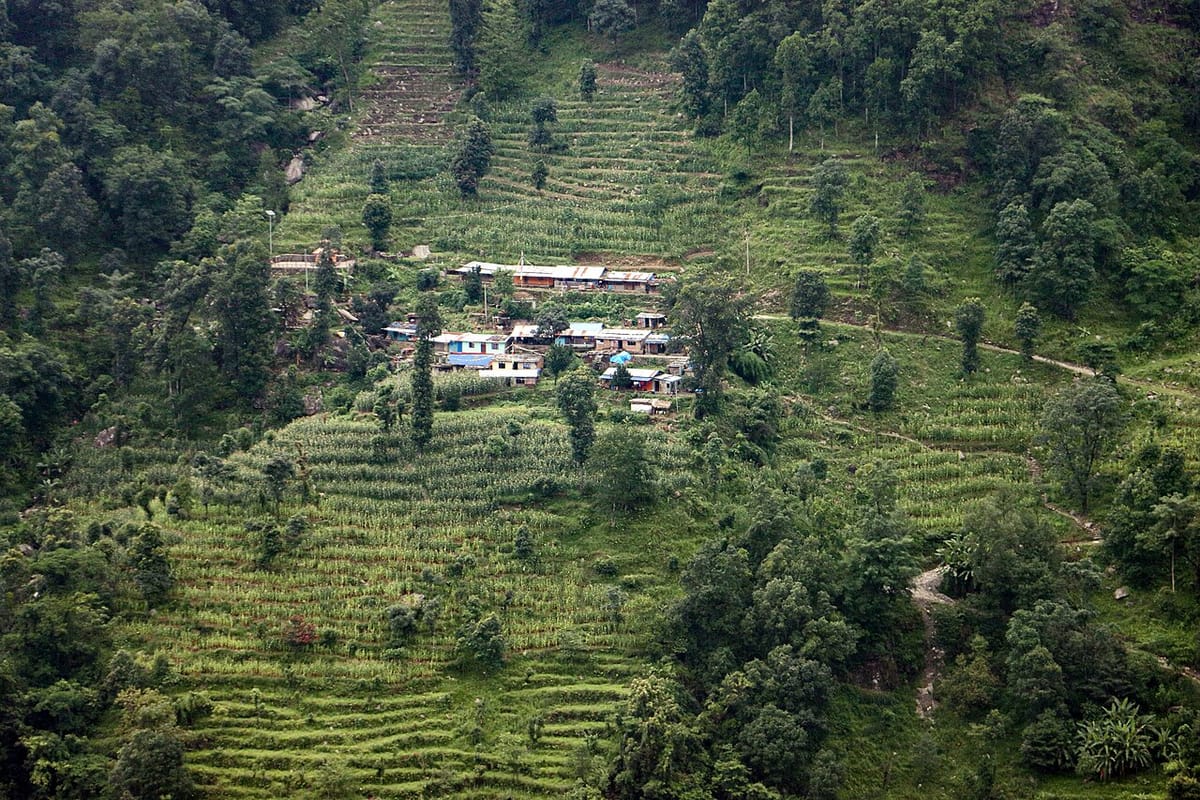
Come with an understanding of where you are. The hills of Sindhupalchok are beautiful in the way that the middle hills of Nepal are always beautiful, layered and terraced and seasonal in their character. They are also places where something enormous happened and the people living in them have been living with that enormity for a decade. These facts coexist. The visit is richer for knowing it.