Begnas Lake Before the Itinerary Arrives


The boats at Begnas come out before the tourists do.
By the time most visitors arrive from Lakeside, 45 minutes by local bus, or half that by taxi, the fishing boats are already back at shore, the morning catch already on its way to the markets in Pokhara. What you find instead is the water after the work: flat, unhurried, and undivided with anyone who is not from here.
Begnas is the second-largest lake in the Pokhara Valley. It is not hidden. The road goes there directly. What it is, is untranslated.
Begnas and Rupa: The lake system nobody explains
Begnas and Rupa share a watershed. Rupa sits to the south at roughly 1.35 square kilometres; Begnas is larger at 3.28 square kilometres. They occupy the same valley, separated by a ridge that the trail between them crosses in a steep hour of climbing and descent through hardwood and hazelnut forest.
Fishing families around both lakes have historically treated them as a single system. What moves through one affects the other: seasonal water levels, fish migration patterns, the silt the monsoon carries down. Travel writing treats them as separate destinations, when it mentions Rupa at all.
Most Pokhara guides mention neither in any depth.
What makes it different from Phewa
Phewa Lake's character is organised around visitor experience. The Lakeside strip was built for it: restaurants with lake views, kayak rentals, the Tal Barahi Temple in the middle of the water accessible by rowboat for NPR 100. That infrastructure is the point. Phewa is excellent at being Phewa.
Begnas has not done this. The InterContinental Pokhara Begnas Lake Resort stands visible from the water, which means the lake is not off the tourist map exactly. But between the resort and the lake perimeter, there is farmland. The boats on Begnas are under local cooperative management that keeps motors off the water and limits tourist operators to preserve quiet. You row out in silence, or someone rows you.
On weekends and public holidays, Nepali families come. They come from Pokhara and from further away, and they do what Nepali families do at a lake: they picnic at the edge, rent the wooden rowing boats, bring their own food. The infrastructure is genuinely poor by Lakeside standards. There are not many restaurants; local places near the entrance serve dal bhat; the InterContinental has its own dining if you pay for it. Multiple visitors note you should bring your own food.
This is not a criticism. It is a description. Begnas is a place with its own uses, visited by its own people, observed by whoever else happens to arrive.
The fishing community at Begnas
Fishing families have worked this water across generations. The lake supports common carp, catfish, and other freshwater species sold in Pokhara's markets. The boats are functional: narrow, wooden, low in the water, designed for work.
The fishing happens early, before the day heats up. By the time most visitors arrive, the working boats are already back. What remains visible is the rhythm that was here before the tourism: small seafood stalls along the shore, locals doing daily chores near the water's edge.
The fishermen are not a feature. They are working.
What to do at Begnas Lake
The birdwatching at Begnas is consistently better than at Phewa. Osprey, Tufted Duck, Great-crested Grebe, pheasant-tailed jacana: species that need lower disturbance levels than Phewa offers. October through April is the window for migratory species. Early morning, before the day fills out, is when to be there.
The perimeter walk covers several kilometres through stone-paved paths, rice paddies, and small Gurung and Magar villages. This is not a circuit through managed parkland. It is the agricultural valley the lake sits inside, and the path passes through it honestly.
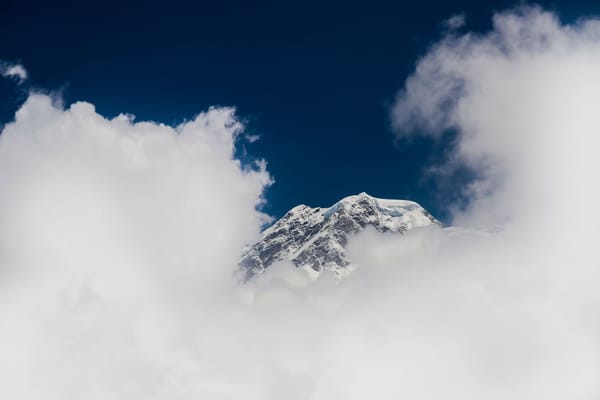
For those with time, the walk to Rupa Lake from Begnas is possible in a day: one steep hour of uphill climbing and descent through forested terrain, with the Annapurna range visible from the higher points. The two lakes make a day trip that most visitors to Pokhara will not attempt, which is part of the point.
Getting there from Pokhara
By local bus from Prithvi Chowk: thirty to forty-five minutes, minimal fare. By taxi from Lakeside: twenty to thirty minutes, roughly NPR 600 to 900 one way (negotiate before you get in). The road passes through small settlements and agricultural land. This is not Lakeside architecture and trekking gear shops. It is the Pokhara Valley that exists outside the tourist economy, and the journey is already part of the experience.
Begnas rewards arriving without an itinerary. Walk the perimeter. Watch the water.