Nepal Teahouse Kitchens: What Trekkers Eat and How It Gets Made
The teahouse menu looks identical from Lukla to Thorong La. What's behind it - how the food gets there, what the kitchen conditions are, and why dal bhat is the only thing you should order above 3,500 metres.

The menu at every teahouse from Besisahar to Thorong La is roughly the same document. Dal bhat, pasta, apple pie, fried rice, garlic soup, omelette, pancakes, chocolate cake. Trekkers who walked the circuit in 2010 and trekkers who walked it last October compare notes and find little difference. The menu is stable.
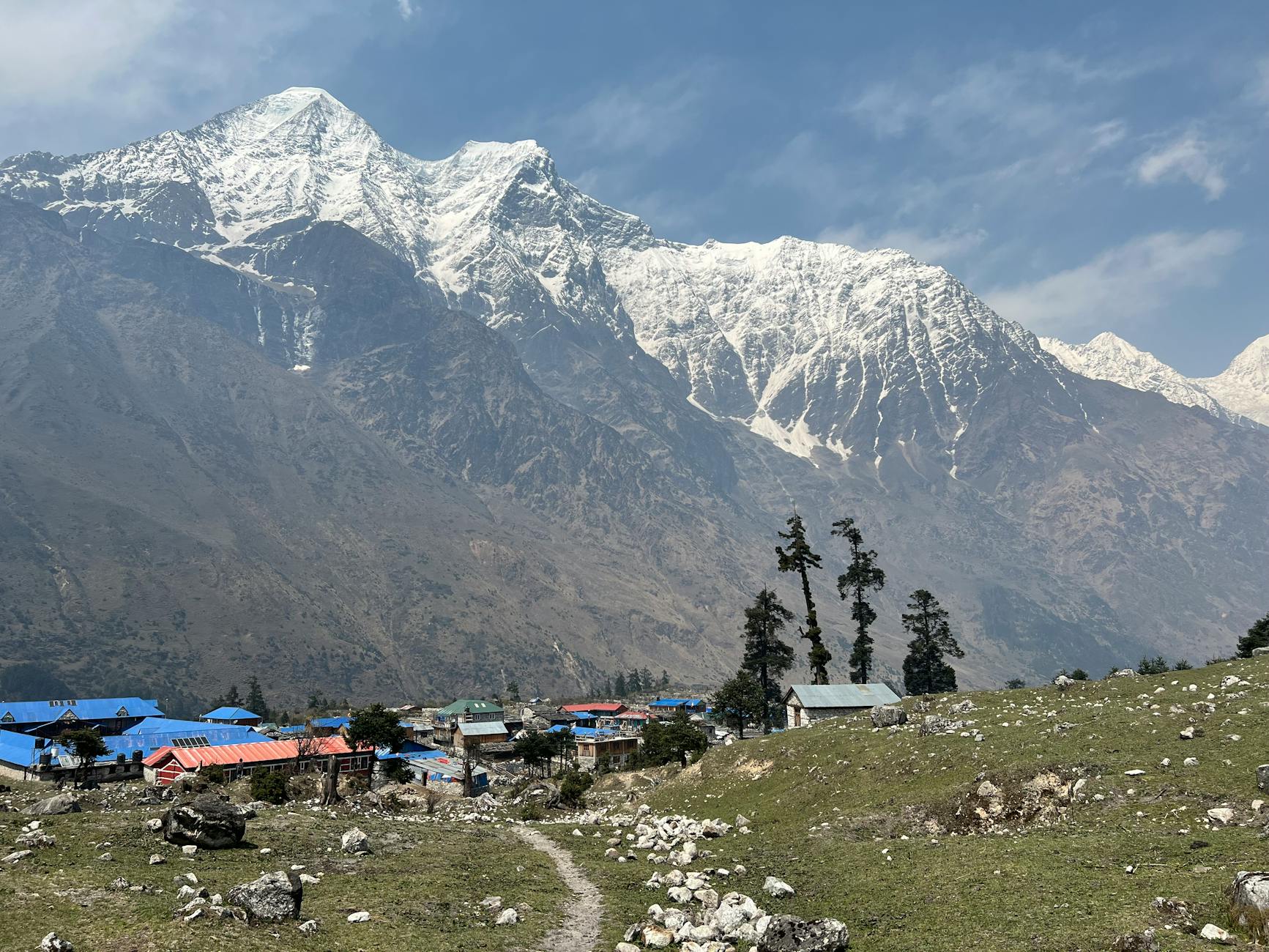
My family's guesthouse is at 2,800 metres, between Chame and Pisang. My grandmother built it. My mother expanded it. I manage it now. What the kitchen does and how the food gets there are things I have watched across three generations of our family, and what I can tell you is not what you will find in any trekking blog.
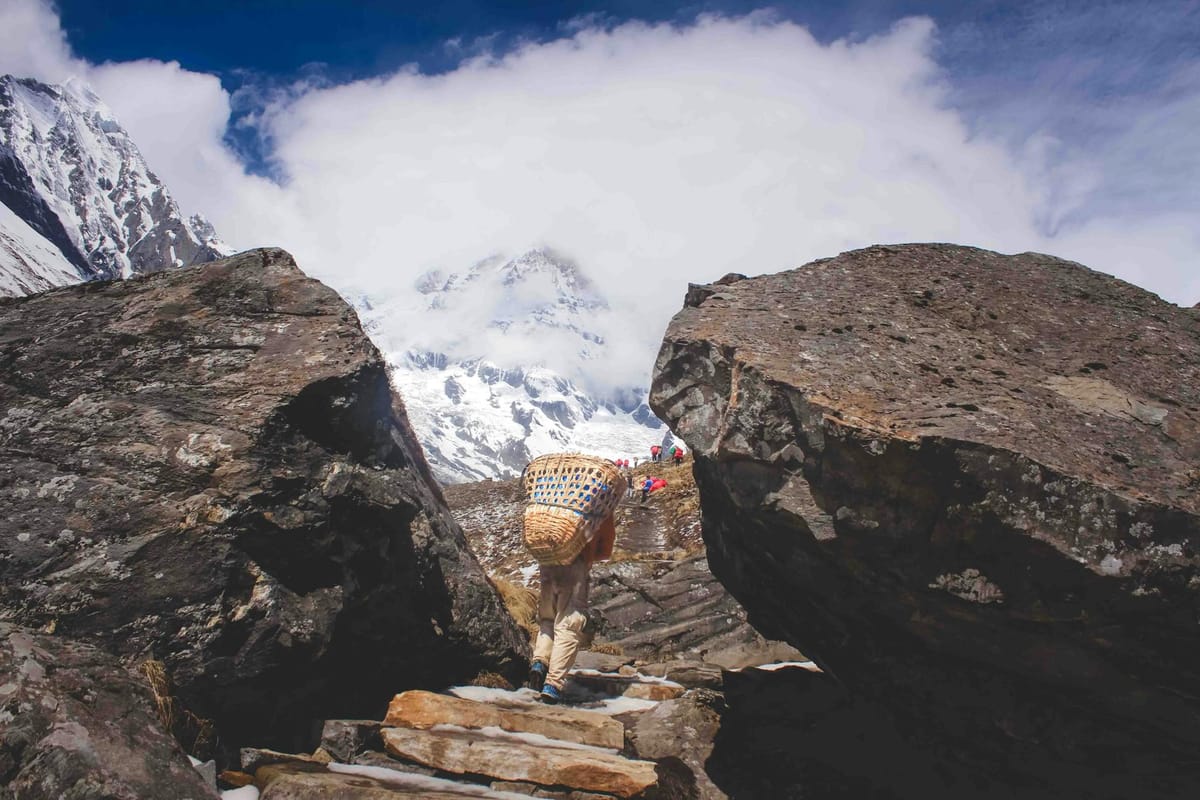
The food arrives by mule, by porter, by jeep, or by a combination of all three depending on the season and the road access that week. A bag of rice that costs 50 rupees in Pokhara costs close to 200 rupees at our elevation. That is not a markup. It is the cost of moving it to where it needs to be. The prices on the teahouse menu reflect the altitude. They always have.
The garlic soup is not a Nepali dish. Nobody in Manang ate garlic soup as part of their regular diet before trekkers arrived. The origin of garlic soup on the Annapurna circuit is one of those stories no one can trace back to a specific person or moment. What happened was that garlic became associated, somewhere in the oral tradition of the trail, with altitude sickness prevention. Then someone, probably in a kitchen like ours, started serving it in a bowl of hot broth and charging for it. Whether garlic does what people think it does at altitude is a question for doctors. What it does for a teahouse kitchen is provide a warm item that trekkers order when it is cold, which is most of the time above 2,500 metres.
The apples. Manang is known for them. There are orchards above the village, and apple products appear on teahouse menus throughout the circuit. What you eat at most teahouses, particularly below Manang, is not from Manang. The harvest is small and absorbed locally. The apples supplying the wider circuit economy come mostly from Mustang, via the jeep road from Jomsom. This is not a deception. It is geography and it is the way the supply chain works.
What the kitchen family actually eats is not on the menu. After service, when the last trekker has finished his dal bhat and his apple pie and gone to his room, the cook eats. In our kitchen it is beaten rice, chiura, with yoghurt and a vegetable pickle. Ten minutes to prepare, costs nothing, and it is what we have eaten since we were children. Sometimes thukpa if there is a large pot on. The Tibetan noodle soup moves well across the high-altitude kitchens of the circuit: filling, hot, simple to make in volume.

The dal bhat is worth ordering. It comes with unlimited refills of rice and vegetables, and the dal changes daily depending on what came in with the morning delivery. When you order the dal bhat instead of pizza, the kitchen responds differently. There is less calculation. It goes to the front of the queue. The cook's posture changes, if you pay attention to such things.
Above 3,500 metres, be careful with the meat. It is rarely refrigerated properly during transport up here. The teahouses are not negligent about this. The cold chain does not exist at this altitude and there is no solution to that. Experienced trekkers know to go vegetarian above Manang. The menu will not tell you this. The lodge owners generally will not either, because the menu is the menu. But you now know.
Cash matters. There are no working ATMs above Namche Bazaar on the Everest routes or above Besisahar on the Annapurna. You carry everything from Kathmandu. Keep more than you think you need. A broken guesthouse generator or a cold snap that extends your stay by two days will spend money you did not budget.
The circuit is what it is. The menu is what it is. The kitchen, though, is something else, and it is worth knowing what is happening there.