Lo Manthang: The Walled City at the Edge of the World
Lo Manthang is a medieval walled city at 3,840 metres, an hour from the Tibetan plateau. The permit system, the drive in from Jomsom, and what you find inside the walls.

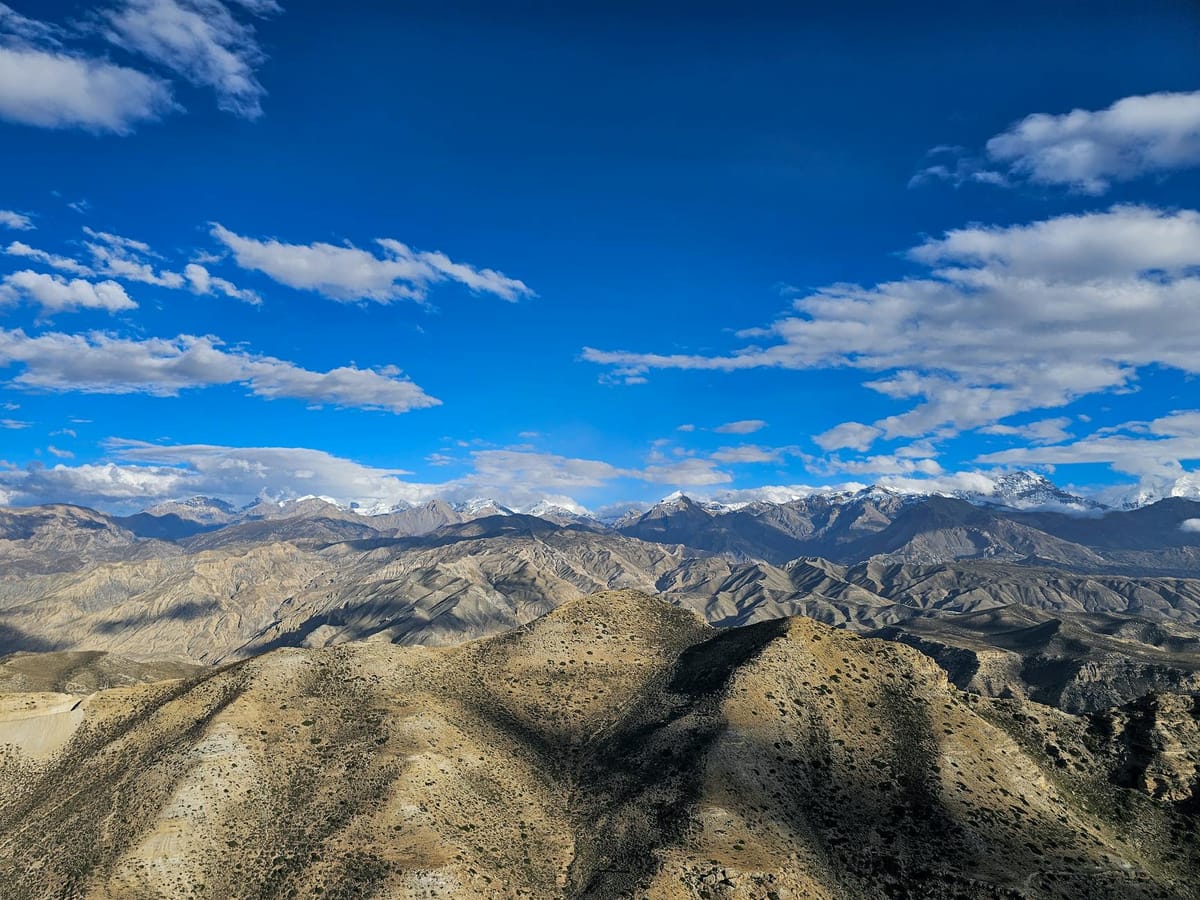
The wall is approximately six metres high and runs around a settlement of about 150 houses. From a distance, which is the distance at which most visitors first see Lo Manthang, it reads as a single structure, a walled city on a plateau at 3,840 metres. From inside the wall, which is where I grew up, it reads as a neighbourhood. Streets wide enough for two people to pass with care. Houses built against each other and against the wall. A palace at the centre that has been occupied by the king of Lo for five centuries. A community that has maintained its form against the pressure of everything that has happened outside it.
Lo Manthang is the capital of what was the Kingdom of Lo before Nepal incorporated the region. The king, who holds the title Rajah, still lives in the palace. The title is hereditary. The political authority it carries has been largely symbolic since the region's integration into the Nepali state, but the social authority of the Rajah in the Lo community is not symbolic. He is consulted on decisions that affect the community. His presence at festivals is required. The institution continues.
Getting There
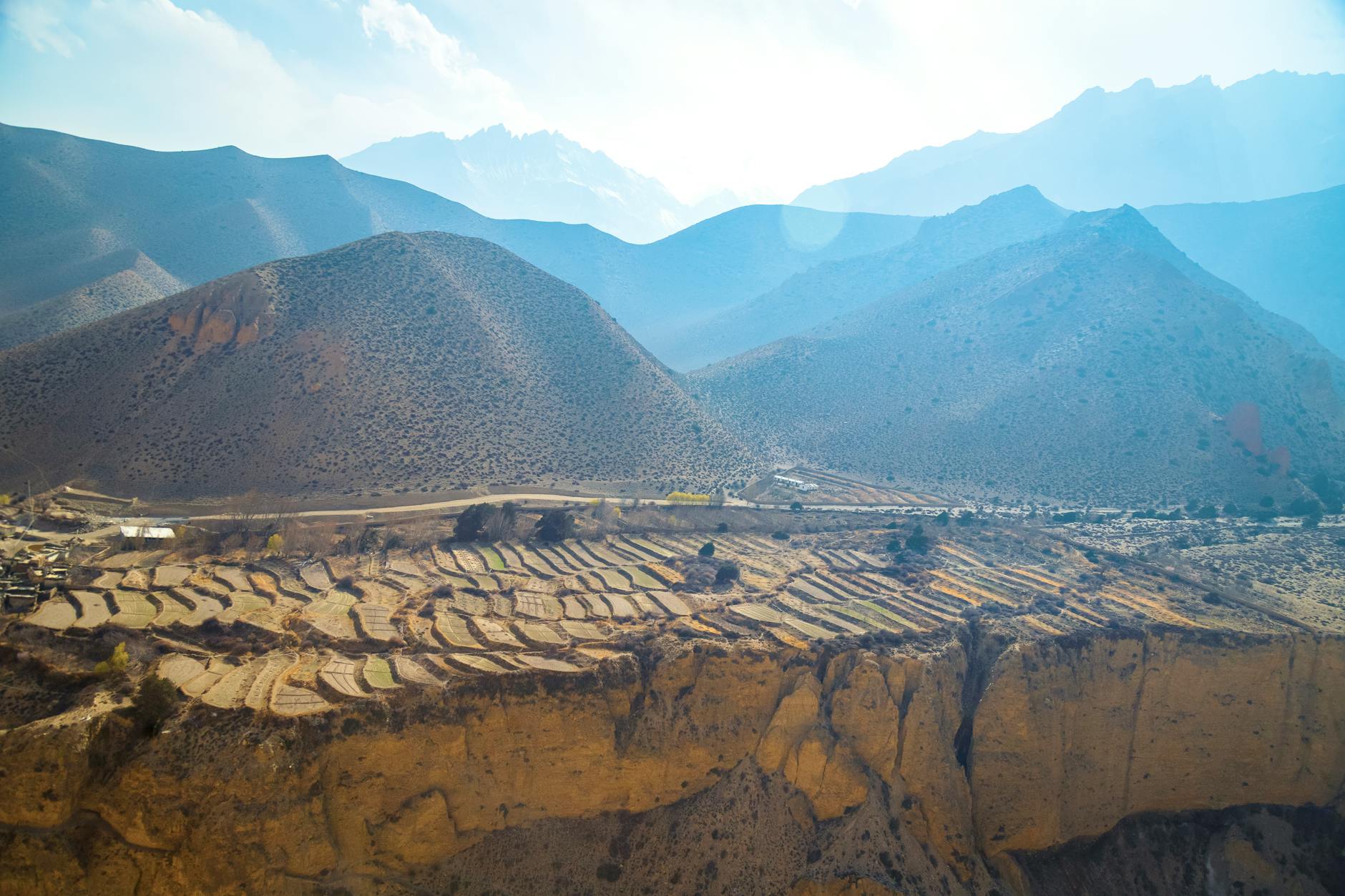
The approach to Lo Manthang from Kagbeni, the entry point to the restricted area, takes four to five days of walking on the standard itinerary. The trail follows the Kali Gandaki gorge north through Chele and Syangboche and Ghemi before the final ascent to the plateau. The landscape changes at each stage: the green of the lower Kali Gandaki gives way to the ochre and white of the erosion columns and then to the flat, dry, wind-scoured plateau where Lo Manthang sits.
There is a road now. It connects Jomsom to Lo Manthang with interruptions for seasonal road closures and landslide damage. Most visitors with the permit come on the road in jeeps. Some still walk. The walk takes longer and costs the same permit fee. The jeep takes most of a day from Jomsom and costs the permit fee plus the vehicle hire. What you see from the window of a jeep and what you see from the trail are different things. I have done both and the walk is more accurate to what Mustang is.
The palace and the monasteries
The Rajah's palace in Lo Manthang is a four-storey structure. Its lower levels date to the fifteenth century. It has been maintained and modified continuously since then and it is a living building, not a museum. The Rajah's family uses it.
The three main monasteries in Lo Manthang, Jampa, Thubchen, and Chodey, were built in the fifteenth and sixteenth centuries. They contain paintings and sculptures that form one of the most significant collections of Tibetan Buddhist art outside Tibet and the major museum collections. The conservation of these monasteries has been supported by international funding since the 1990s. The paintings in Thubchen, which were damaged by water infiltration over centuries, have been restored in a project that required expertise and materials brought from outside the region.
The monastery interiors are accessible to visitors with appropriate respect for the active religious life of the institutions. Prayer is still conducted in these spaces. Monks still live in them. The relationship between conservation and use is managed carefully.
The Tiji festival
Tiji, which runs for three days in May, is the most significant festival of the Lo calendar. It enacts the story of Dorje Jono, a deity who defeats a demon and saves Lo Manthang. The festival involves masked dances over three days, building to a conclusion on the third day when the demon is symbolically defeated and Lo is protected for another year.
The permit for the restricted area during Tiji costs the same as at any other time of year. The festival has become more known to visitors over the past fifteen years. During Tiji, Lo Manthang's small lodge capacity is fully occupied. The festival is organised by the monastery, not by tourism authorities. It happens regardless of how many visitors are watching.
The Wind
Lo Manthang is wind. The plateau has no shelter and the afternoons in Lo Manthang are reliable in one specific way: the wind comes from the north by early afternoon and does not stop until after dark. It is a cold, dry wind. Everything about how the settlement is built reflects this. The streets are narrow partly because narrow streets shelter from wind. The houses share walls partly because shared walls retain heat against wind. The wall around the settlement was built to keep out raiders and bandits, but it also keeps out wind.
If you come to Lo Manthang expecting the stillness of a medieval walled city from a European frame of reference, you will be surprised by the noise. The wind is constant. The horses that are still used for transport within the upper valleys move through the streets with the sound of hooves on stone and the wind in their manes. The city sounds like what it is: a settlement at altitude in a high desert that has been adapted to its conditions over five hundred years.
I live in Tukuche now, which is lower and less windy. I miss the wind sometimes. Not the cold. The sound.