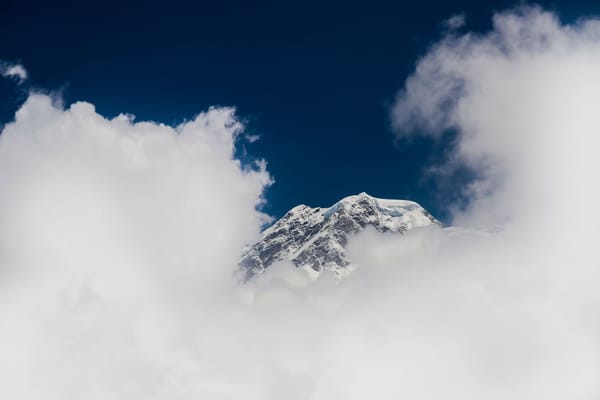
Tihar: The Festival of Lights That Is Not Diwali
Tihar is not Diwali. The five-day festival runs its own ritual calendar - lamps, animals, Deusi Bhailo, and Bhai Tika - and the shape of it is changing with migration and apartment living.

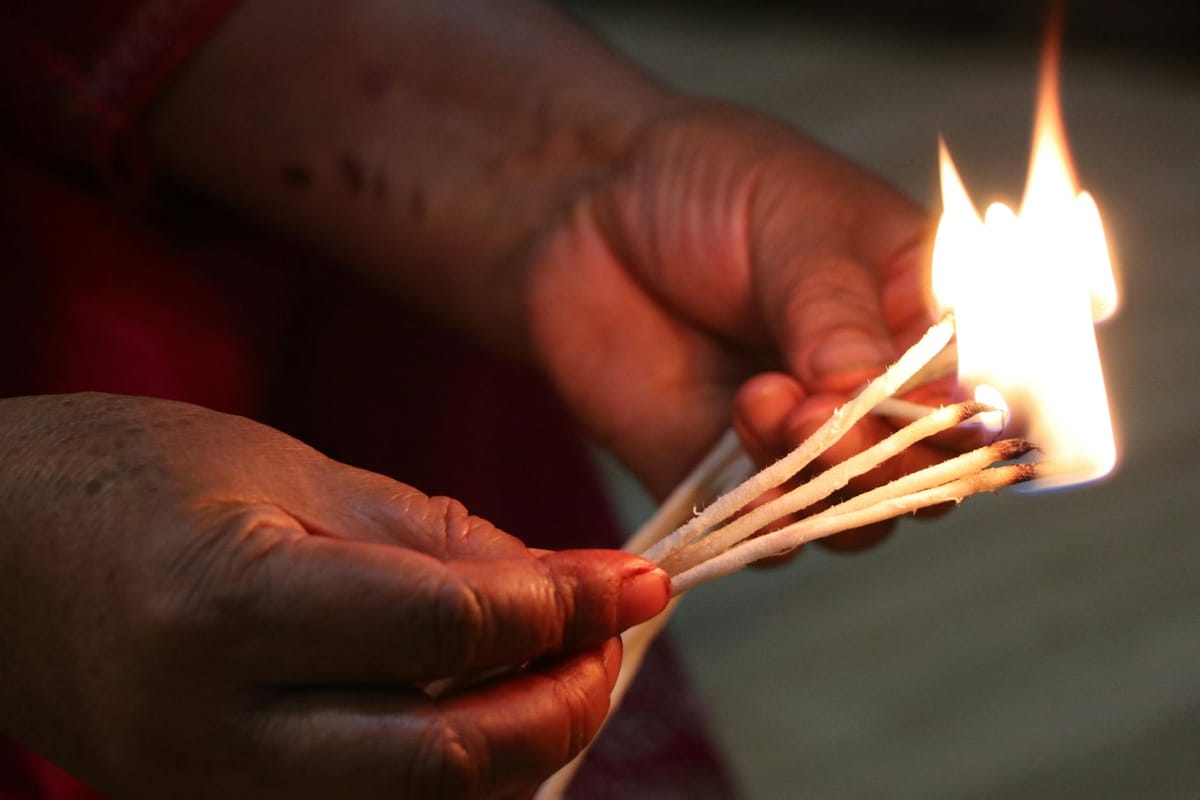
If you only look from the outside, Tihar is easy to misunderstand. The lamps, the sweets, the strings of lights in alleyways, the calendar adjacency to India’s Diwali. It tempts the lazy label. But tihar festival nepal is not an imported echo, and it is not a single night of illumination. It is five days of attention, each day pointed at a different kind of relationship: with animals that live close to us, with tools that do work, with a sibling who is not always in the room anymore.
In the old neighbourhoods of the Valley, you can watch the festival reorganise a street in small acts. A threshold is swept with more care than usual. A clay lamp is set down as if it matters where the flame sits. Someone tests the wick, then moves it a finger’s width, not for beauty but for the way it will burn. That precision is the clue. Tihar is a sequence with its own logic, not a generic “festival of lights” theme you can paste onto anywhere.
A redditor put it plainly, without nostalgia: “Dont worry almost everyone's sibling is apart thanks to bidesh jane trend. And Tihar for everyone is not the same anymore.” The sentence carries the modern festival inside it, a house lit up for a family that does not fully assemble.
Five days, five targets, one moral geography
Tihar unfolds as a calendar of offerings. The days are commonly framed as crow day, dog day, cow day, Laxmi Puja, ox day, and Bhai Tika, depending on how a household names and merges them. The repetition of puja makes outsiders assume the whole thing is only about worship. In practice it is closer to recognition: this creature, this animal, this labour, this person has a place in the moral map of the home.
The crow comes first because it is a messenger, and because it lives at the edge of the domestic. Food is placed out not as charity but as acknowledgement that the world does not belong to humans alone. Then dogs, guardians and companions, are garlanded and offered treats. The cow, still a symbol of prosperity in many households, is honoured with food and tika. Oxen, and the tools they represent, are folded into the sequence as labour made visible.
These days are not interchangeable. They move from the edge to the centre. From the animal you do not touch, to the animal that sleeps near you, to the animal that feeds you, to the goddess of wealth who is invited into the house, and finally to the sibling bond that ties the household together. It is a progression from ecology to intimacy.
The point is not that every family performs each day the same way. The point is that the festival gives you a structure to place your attention, even if your life no longer fits the structure neatly.
Kukur Tihar and the honesty of the next day
Kukur Tihar is the day that travels well on the internet. Photos of garlanded stray dogs do. The local truth is more complicated, and the internet does not like complicated.
A redditor wrote the blunt version: “You will be very disappointed. It's not as they are shown in the internet. Yes we 'worship' our dogs and even stray dogs at the 'Kukur Tihar' day but the very next day we go being back to normal. That is we stop giving fuck about dogs.” It is harsh language, but it is a useful corrective. It points to a gap between ritual and policy, between one day’s tenderness and the rest of the year’s neglect.
That gap does not mean the ritual is fake. It means the ritual is ritual. It is a symbolic day, and symbolism does not automatically repair a street dog’s broken leg or enforce humane treatment. Kukur Tihar can be sincere and still insufficient. In fact, its sincerity is part of why the insufficiency stings. If a community can collectively recognise a dog’s place in the neighbourhood for one day, then the indifference on the other days is not ignorance, it is choice and habit.
Seen this way, Kukur Tihar is not a marketing pitch for Nepal’s kindness. It is a small mirror held up to a society that knows what compassion looks like, and does not always choose it.
Laxmi Puja: lamps, lines, and what LED cannot replace
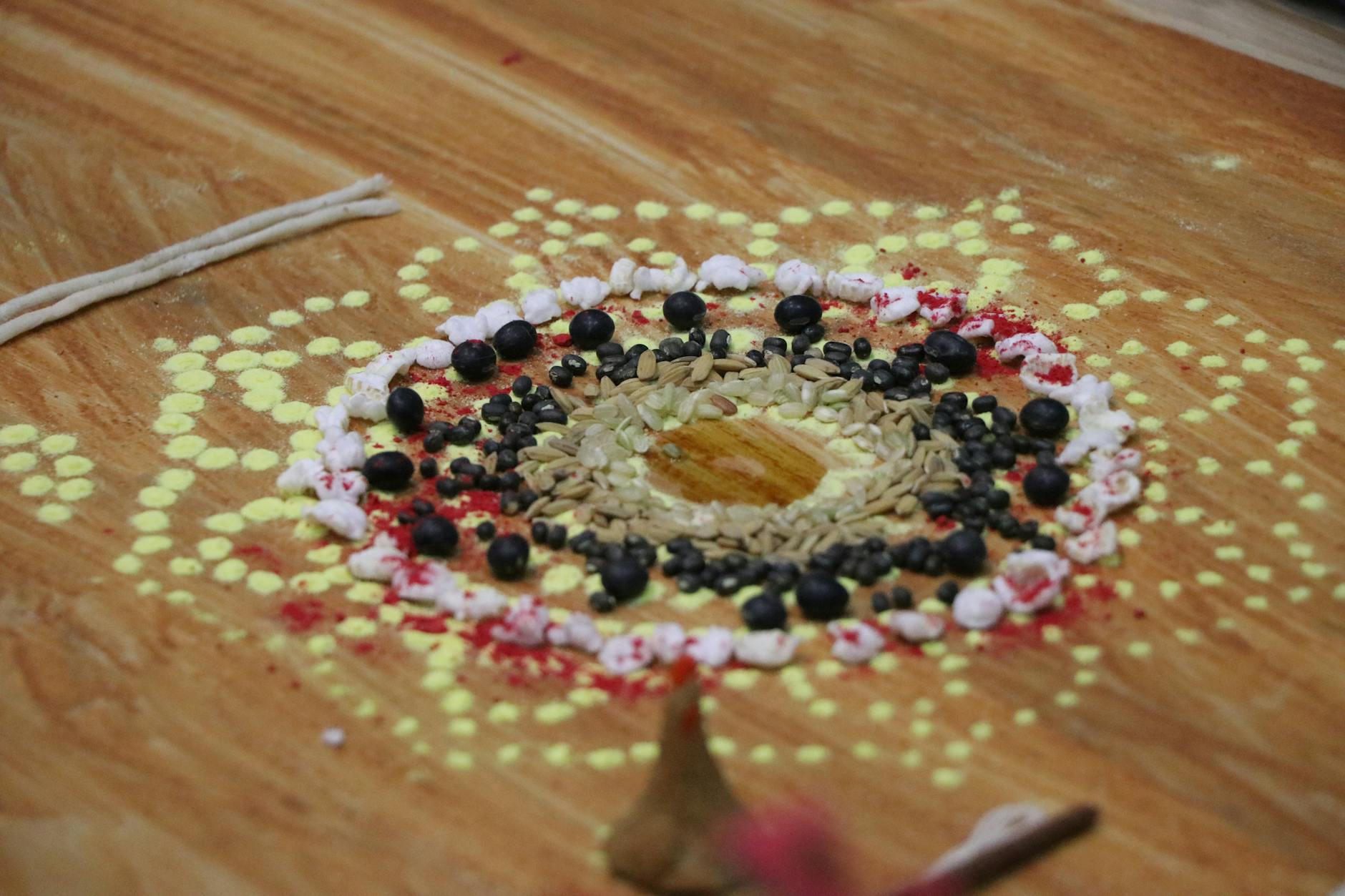
The night most outsiders remember is Laxmi Puja, when lamps are set out to invite the goddess of prosperity into the home. In some Newar households, the line of oil lamps is not random decoration. It is a pathway, a deliberate arrangement at thresholds and windows, a quiet choreography of light.
You can see the difference between oil and LED in the way the light behaves. Oil lamp light flickers and breathes. It requires care. Someone must refill it, protect it from wind, and relight it if it fails. LED strings ask for none of that. They replace attention with convenience.
This is where the light pollution argument becomes more than aesthetic. If the house is lit by strings bought in bulk, the gesture shifts. Laxmi is no longer invited by small, repeated acts of care. Laxmi is summoned by electricity. It still looks festive, but it asks less of the household. The festival becomes easier, and something else slips out with the ease.
That loss is not only about tradition. It is about the kind of labour the festival trains. Tihar teaches hands to do small, precise things, and to treat them as meaningful. When that labour disappears, it changes what the festival is shaping in people.
Deusi Bhailo: the street as a shared room
Deusi Bhailo is not a concert. It is a claim on the street as communal space, a temporary permission to knock, sing, laugh, and be fed. Groups, often children and teenagers, move from home to home offering songs in exchange for money or sweets. In many neighbourhoods, it is the one time in the year when you can walk at night and expect to know who is outside.
The practice is changing, not because people stopped liking it, but because the household changed. Doors are more often closed. Parents worry. Neighbourhoods are less dense, or less familiar, or both. The festival remains, but its social technology does not always function in the same way.
A redditor wrote the modern symptom in Nepali-English shorthand: “Sabai family member haru bhayeni pahila bhanda dherai nai dull bhaisakyo... ahile sab jana mobile ma social media ma jhuliraka hunchan. Khele pani khelnu ko maja linu bhanda story khichne snap khichne ma byasta.” The complaint is not about phones as objects. It is about attention. The old festival worked by pulling attention into shared space. The new festival keeps attention split, even when people are physically together.
Deusi Bhailo is also a measure of what kind of community you live in. In a neighbourhood where the singing still happens, you can still imagine a street as a shared room. In places where it does not, the street has become only a corridor between private interiors.
Bhai Tika in the age of bidesh
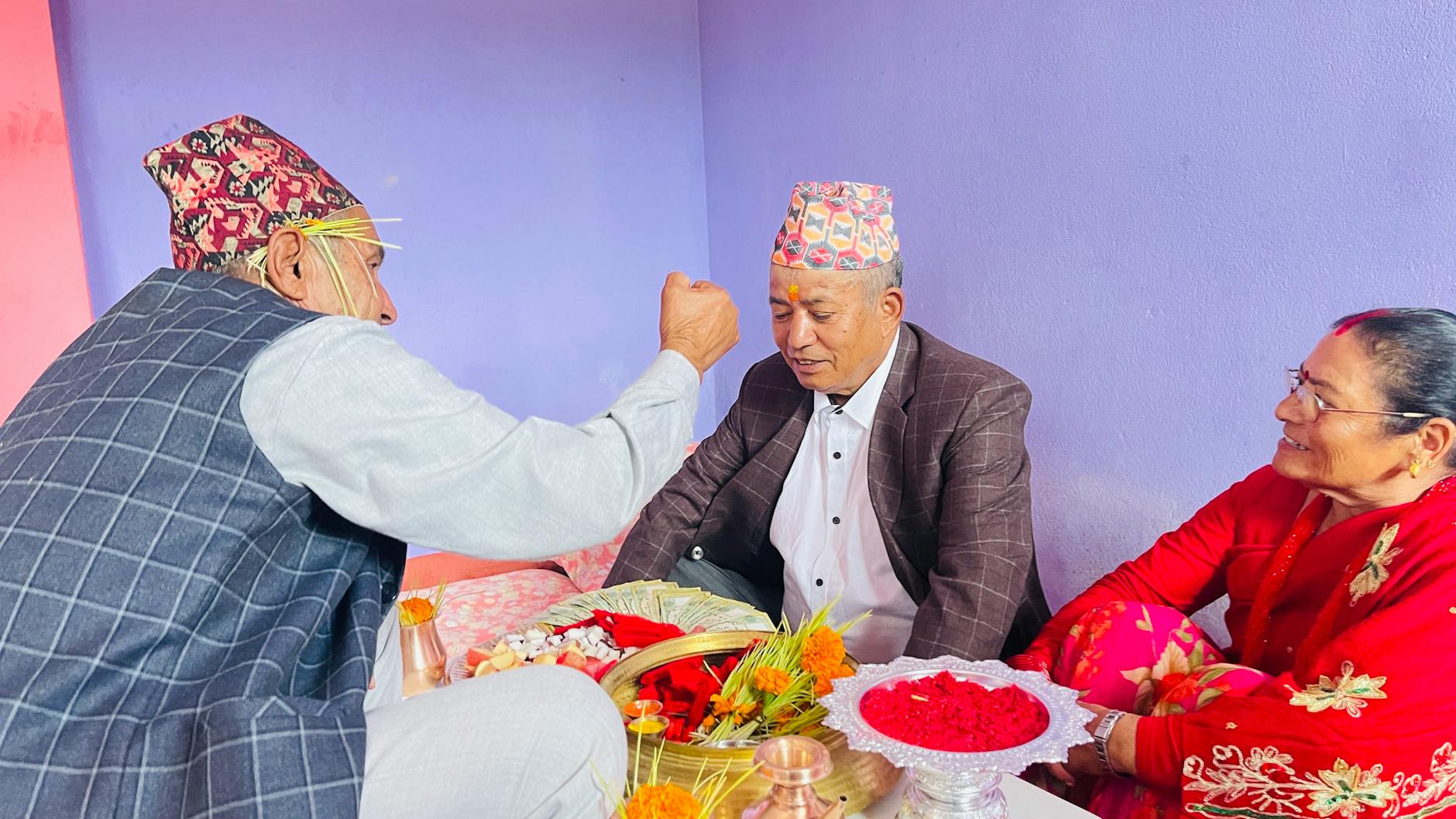
The most emotionally loaded day, for many, is Bhai Tika. A sister marks a brother’s forehead, offers food, and in return receives gifts and a blessing. The common framing is a celebration of sibling bond. In practice it is also a test of geography.
When labour migration became normal, the ritual did not disappear. It bent. People performed it early, performed it late, performed it through screens, performed it with cousins standing in, performed it with a photo placed where a person would have sat. The ritual’s resilience is one story. The loss it acknowledges is another.
One redditor wrote, almost with resignation: “Single child here.......mero tihar ta laxmi puja kai din sakincha.” For a single child, the festival collapses into the night that does not require a sibling. The structure is still there, but the final day has no anchor.
Another wrote, “Now it's just lying on the sofa, empty living room, ready tika and jamara but silence, four people for Dashain lunch after Tika.” The reference is to Dashain as much as Tihar, but the image is recognisable. A prepared ritual, an underfilled room. The festival becomes an arrangement waiting for bodies that do not arrive.
And the earlier line returns with weight: “Dont worry almost everyone's sibling is apart thanks to bidesh jane trend. And Tihar for everyone is not the same anymore.” It is a sociological fact phrased as comfort, which is how you know it has become common enough to normalise.
Formalities, fatigue, and the refusal to perform closeness
Not everyone experiences the festival as warmth. For some, it surfaces obligations that feel hollow. That is not a modern corruption. It is an honest part of family life, made sharper by ritual.
A redditor wrote, “Every Tihar, I choose to spend my time outside my home. It's not worth maintaining a relationship that only carries formalities without any genuine bonding or emotions.” The sentence is stark because it refuses the script. Festivals are supposed to be reconciliation machines. They are also pressure. They ask you to sit in rooms with histories you may not want to revisit.
In Nepal, where family networks still carry economic and social weight, the refusal to participate is not a small choice. It is a statement that the ritual cannot substitute for relationship. Tihar, in this view, becomes a moment when the difference between form and substance is impossible to ignore.
This is also why the festival is not “like Diwali” in the way outsiders assume. The centre of Tihar is not fireworks or spectacle. It is relationship management, sometimes tender, sometimes strained, sometimes impossible.
What Tihar insists on, even now
A festival survives when it can be repeated without requiring identical lives. Tihar survives because it is modular. You can still light lamps even if your brother is abroad. You can still sing Deusi Bhailo even if fewer doors open. You can still garland a dog even if the next day returns to habit. The sequence holds.
But the festival also insists on something that modern life tries to dissolve: attention given on purpose. A lamp is not only a lamp. It is time taken to set it. A tika is not only colour. It is a gesture that says, for this moment, you matter more than the day’s noise.
That is why calling it “Nepal’s Diwali” fails. It is not primarily a light festival. It is a calendar of relationships: with animals that share the street, with the labour that feeds the house, with the sibling bond that migration keeps stretching thin. It can look duller than it did, as one redditor complained, and still remain sharp where it counts.
If you want to understand tihar festival nepal, watch what it asks people to do, not what it looks like from the outside. It asks them to notice. For five days, it asks them to behave as if noticing is an ethic.