Shuklaphanta: Nepal's Most Overlooked National Park
Shuklaphanta National Park in far western Nepal has the highest density of swamp deer on earth and almost no visitors. What makes it worth the very long detour from the tourist circuit.

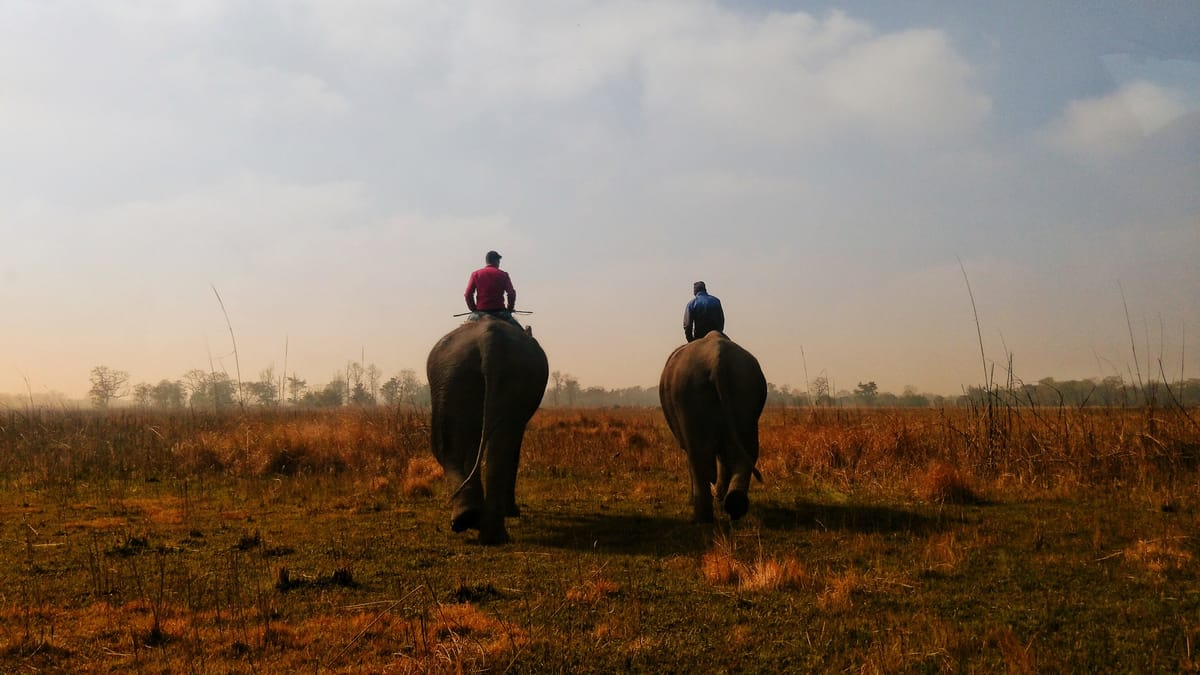
The numbers are not ambiguous. Shuklaphanta National Park in Nepal's far west holds the world's largest single population of swamp deer, locally called barasingha. The park has tigers, the census confirming at least fourteen. Sloth bears are here. Leopards. Over five hundred recorded bird species. The golden grasslands, the open phanta after which the park is named, stretch for kilometres without obstruction, a landscape that looks categorically different from anything in the rest of Nepal.
Almost nobody visits.
In a year when Chitwan National Park recorded over 200,000 visitors, Shuklaphanta received fewer than 10,000. The park authority knows the reason and will tell you directly: Shuklaphanta is thirty kilometres from Mahendranagar and about 750 kilometres from Kathmandu. Getting there requires a flight to Dhangadhi and a three-hour drive, or a twenty-hour bus journey from Kathmandu that few people want to make. The infrastructure for the latter portion of the journey is not smooth.
This is the fact that has preserved the park. Inconvenience is the most effective conservation tool.
What the park actually is
Shuklaphanta occupies about 305 square kilometres of the Terai lowlands near the Karnali River system and the Indian border. The terrain is primarily open grassland with patches of sal forest and wetlands. The grasslands are the defining feature: vast, flat, golden in the dry season, green after the monsoon. They are managed through controlled burning, a practice that maintains the habitat swamp deer require and that prevents the shrub encroachment that would reduce the park's carrying capacity over time.
The swamp deer herd is genuinely extraordinary. A single concentration of several hundred animals grazing together on the open phanta is a sight that has no equivalent in South Asia at accessible distances. Chitwan and Bardia offer wildlife encounters, good ones, but the scale of what happens on Shuklaphanta's grasslands is different in kind, not just degree.
Bird density is exceptional: the phanta attracts enormous flocks of migratory birds in winter, and the wetland areas around the Shuklaphanta lake system hold species that require specialist effort to find elsewhere. The Bengal florican, critically endangered and almost invisible in most of its former range, has a viable population here.
A morning on the phanta
I was in a jeep before first light with a guide named Dinesh Chaudhary, who grew up in Krishnapur village on the park boundary and has been working here for eleven years. He drives by instinct in the dark, navigating the rough track to the primary viewing area without headlights once we are inside the park boundary, because headlights disturb the deer.
By the time we reached the phanta, the sky had moved from black to a deep grey. The deer were already visible as shapes, then as distinct animals. There were more than three hundred in this group. They moved slowly, grazing and raising their heads in the rhythm that prey animals use to balance feeding and vigilance.
Dinesh stopped the engine. We sat in silence. The sound that replaced the engine was wind across open ground and the quiet activity of several hundred large animals at close range.
"Chitwan has rhino," he said eventually, not defensively, just stating a fact. "We have this."
The tigers here are harder to see than in Chitwan or Bardia. The grassland does not funnel them toward water holes as jungle does. You find tiger sign, pugmarks and scratch marks and kill sites, with regularity. You see the animal itself less predictably. Dinesh said he sees tigers perhaps twice a month on average. In the monsoon season, when the grass is tall, considerably less.
The Tharu who have always been here
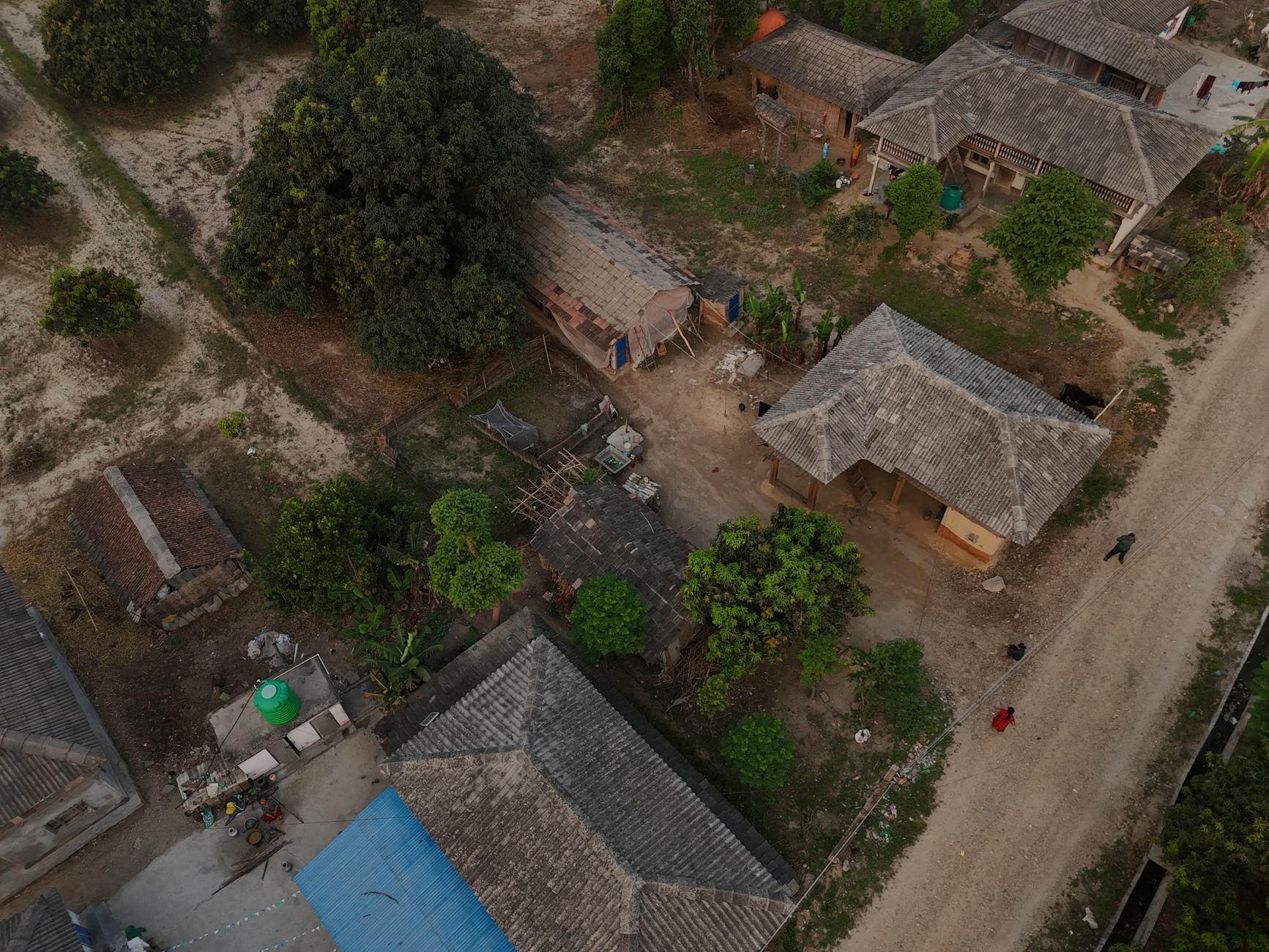
The communities along Shuklaphanta's border are primarily Tharu, one of the indigenous peoples of the Terai who have lived with this landscape for generations before it was declared a protected area. The park's establishment in 1976 and its subsequent expansions created displacement and restriction that still marks the relationship between the park administration and local communities.
The buffer zone management system, which theoretically integrates local community interests into park governance, functions imperfectly here as it does across most of Nepal's protected areas. The communities closest to the park deal with crop raiding by elephants and deer, livestock predation by tigers and leopards, and the constraints on forest use that came with protection. The economic benefit from tourism has not reached them in proportion to these costs.
Dinesh is not from the Tharu community but works with several community homestay programs that attempt to correct this imbalance. One meal at a Tharu homestay on the park boundary is worth the effort: the food is distinct from anything in Kathmandu tourism, the welcome is genuine rather than performed, and the money goes directly to the family.
Why you should go while it still works this way
Parks become famous and then they become managed in the way famous things must be managed. Chitwan is magnificent and it is also organised, scheduled, and accessible in ways that inevitably shape the experience. Bardia is quieter. Shuklaphanta is quieter still, in a way that requires effort to reach but rewards that effort with something increasingly rare in wildlife destinations: the sense that you are not part of a system optimised for your presence.
The park road is rough. The accommodation options are limited. The timing of flights to Dhangadhi requires planning. None of this is a deterrent if you know what you are going for.
The barasingha herd on the open phanta, in the flat early morning light of November, is one of the most striking things Nepal has to show anyone who comes here.