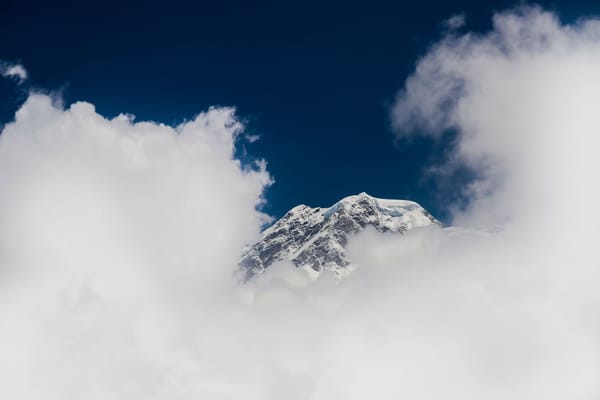
The Annapurna Circuit Trek in 2026: What the Route Looks Like Now

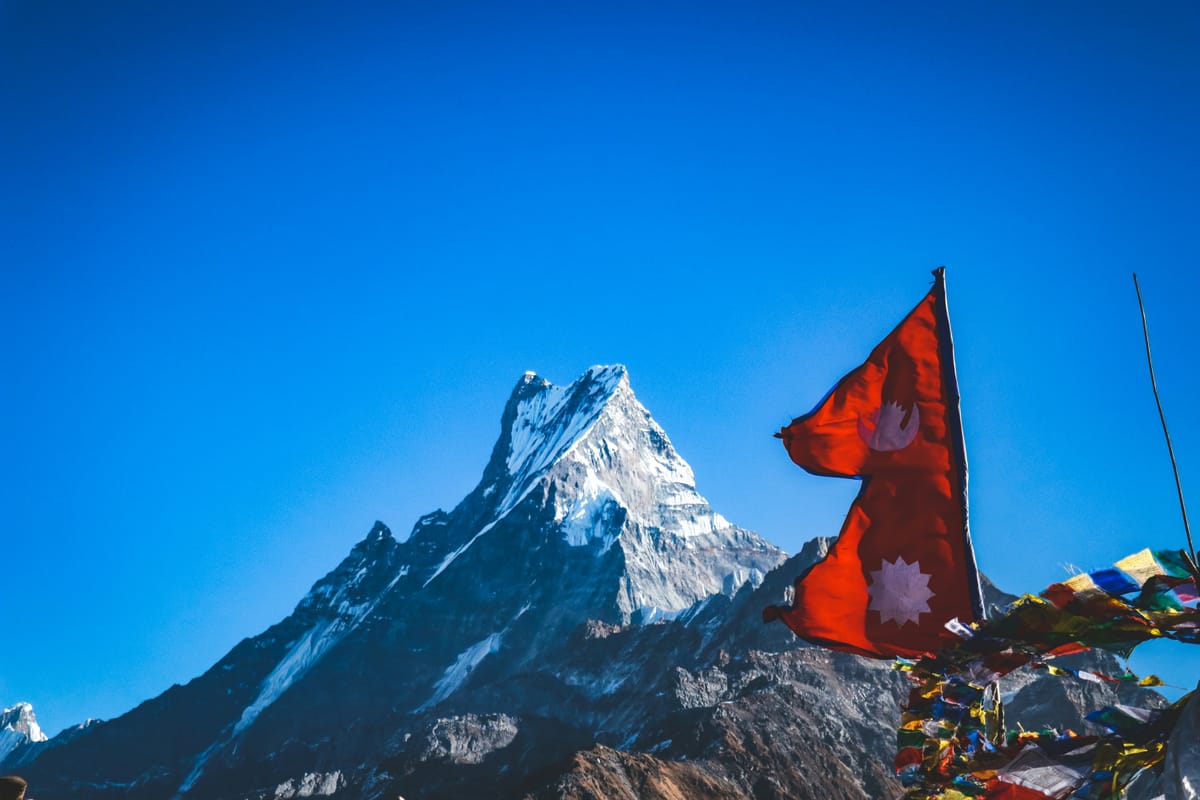
At Thorung Phedi, before 3 AM, trekkers pull on down jackets over everything they own and step into the dark. The climb to Thorung La Pass at 5,416 metres takes three to four hours on switchbacks cut into frozen scree. As one trekker reported on Nomadic Boys, they found themselves stopping to rest every few minutes, panting hard, headlamp beams catching the trail in brief arcs before disappearing into nothing above. They reached the summit at 8 AM. The word they used was overjoyed. The adrenaline, they said, helps with the altitude symptoms.
This is the Annapurna Circuit as it has always been. The rest of it is more complicated.
What is the Annapurna Circuit?
The Annapurna Circuit is a loop trek through the mountain ranges of central Nepal, circling the Annapurna massif in Gandaki Pradesh. The full route runs between 160 and 230 kilometres depending on the variant walked and takes 12 to 22 days to complete. It begins near Besisahar in the east, climbs through the Marsyangdi valley to Manang, crosses Thorung La Pass and descends to Muktinath, then continues south through the Kali Gandaki gorge toward Pokhara.
In quick figures: distance 160 to 230 km. Duration 12 to 22 days, with most trekkers completing it in 14 to 18. Highest point Thorung La Pass at 5,416m. The trek sits within the Annapurna Conservation Area, managed by the Annapurna Conservation Area Project (ACAP).
The circuit has been done in some form since the 1970s and was, for decades, considered among the finest long-distance walks in the world. That reputation is still largely deserved, with caveats that most planning guides do not address clearly enough.

The route in 2026: what has and has not changed
The road problem
From the late 1990s onward, Nepal began building roads into the Annapurna region. The lower eastern approach, from Besisahar to Chame at 2,670m, now runs alongside a jeep track for most of its length. The lower western descent from Muktinath toward Jomsom and south to Pokhara is similarly affected. MountainIQ describes the experience from Muktinath onward as "an unpleasant and dusty experience, as jeeps whiz by."
Across the full circuit, roughly 75% of the original route is road-adjacent or has been replaced by road. Most experienced trekkers who know this take a jeep from Besisahar to Chame at the start, cutting two to three days of road walking. At the western end, many fly out from Jomsom airport rather than walk the road sections south.
That is the honest picture. Thirty years of road construction has, as Landscapes of Nepal notes, shortened optional sections and led some trekkers to declare the circuit diminished. They are describing real conditions. But the core of the circuit has not been touched.
The NATT alternative
In response to the road encroachment, a Nepalese trekking guide named Prem Rai developed the Natural Annapurna Trekking Trails, known as NATT. These are marked alternative routes that leave the valley road and climb through village paths and ridgelines above the jeep track. Waymarked in blue and red, distinct from the red and white of the original trail, the NATT trails covered 95% of the circuit from Besisahar to Tatopani on road-free terrain as of 2025.
The most celebrated NATT section is the climb from Pisang to Ghyaru above the Marsyangdi valley. The ascent is steep, but the view from the ridge delivers a panorama of Annapurna II, III, and IV that most accounts call the most beautiful single day on the entire circuit. The jeep road below, which takes twenty minutes by vehicle, misses all of it.
What has not changed

The upper circuit from Manang at 3,500m through the acclimatisation days, the crossing of Thorung La, and the descent through the Kali Gandaki remains as demanding as ever. The high Marsyangdi valley above Chame, the pass, and the upper gorge are unchanged. The road problem is real and it is concentrated in the lower sections.
The honest version of the Annapurna Circuit in 2026 is this: the approaches are compromised, and the pass day is not.
How long does it take?
The standard answer is 14 to 18 days for most trekkers, including acclimatisation time at Manang. The range runs from 10 to 22 days depending on the starting point and how much of the lower sections are covered on foot versus by jeep.
A practical breakdown for the most common approach:
- Jeep from Besisahar to Chame (2,670m): 3 to 4 hours, skips road-dominated lower section
- Chame to Manang on foot: 4 to 5 days via NATT, with altitude gain from 2,670m to 3,500m
- Acclimatisation day at Manang: one full rest day, non-negotiable at this elevation
- High Camp to Thorung La to Muktinath: one long day, 6 to 8 hours
- Descent through Kagbeni, Marpha, Jomsom: 2 to 3 days
- Exit by flight from Jomsom or continue to Tatopani and Pokhara: adds 2 to 3 days if walking
The 10 to 12 day jeep-assisted version, starting at Chame and flying out from Jomsom, is how many trekkers now do the circuit. It delivers the core experience intact.
The villages
The teahouse infrastructure on the circuit has improved considerably in the last decade. Manang, Yak Kharka, and Jhinu Danda now have wi-fi, clean bathrooms, and expanded menus. This is not the stripped-back experience it was in the 1990s.
In the upper Marsyangdi valley, the villages of Pisang and Manang sit where Gurung and Manangi culture meet: prayer flags against the mountain backdrop, stone houses on steep slopes, monasteries older than the trekking route. Manang at 3,500m is where the circuit visibly changes register. Below this point you are in forested valleys moving through recognisable Nepalese hill terrain. Above it, the landscape opens out: high alpine, sparse, exposed. The acclimatisation day here is well spent with short walks above the village to 4,000m and rest.
At Marpha, in the upper Kali Gandaki valley, every teahouse offers products from the local orchards: apple brandy, apple juice, apple pie of variable quality. The village is whitewashed and sheltered from the Kali Gandaki wind. It is one of the most comfortable stops on the circuit.
Kagbeni marks the entry to the gorge proper. The wind picks up. The landscape becomes high-desert, closer in feel to the Tibetan plateau than to the subtropical forests of the eastern approach. This is where you understand what the Kali Gandaki gorge actually is: at over 5,500m deep between Dhaulagiri and Annapurna, the deepest gorge on the planet.
Crossing Thorung La
The crossing of Thorung La is the defining day of the circuit. From High Camp at approximately 4,850m, standard departure is between 3 and 5 AM. Afternoon winds at this elevation can be dangerous, and slower parties need the maximum available daylight.
The ascent covers 600 vertical metres in three to four hours, largely in darkness. It is cold. Every account mentions the down jacket, the gloves, the hat - equipment that felt unnecessary at the teahouse the night before and obvious at 5,000 metres in the pre-dawn. Stopping to breathe is not optional. Everyone on the trail around you is doing the same thing at the same pace, and that uniformity is its own kind of reassurance.
The summit is marked by prayer flags and the Thorung La signboard. The descent to Muktinath loses 1,800 metres over several hours. It is long, steep in places, and genuinely hard on the knees. Trekking poles earn their keep.
Two nights at Manang before attempting the pass is the standard acclimatisation approach. The Himalayan Rescue Association runs a daily clinic there during trekking season with free altitude briefings. Attend it. Know the symptoms before you need to recognise them. For a detailed reference, see the guide on recognising altitude sickness early.
Permits, costs, and logistics
Two permits are required in 2026:
- ACAP (Annapurna Conservation Area Permit): NPR 3,000 for international visitors
- TIMS (Trekkers' Information Management System) card: NPR 2,000
Both are available in Kathmandu or Pokhara before the trek. Independent trekking without a guide is permitted and no guide is legally required. For the full permit process and updated fees, see the trekking permits in Nepal guide.
Independent trekkers on the circuit typically spend USD 25 to 50 per day covering accommodation and meals. Costs rise above Manang where supply chains are more limited. For the full cost picture, see what Nepal travel costs in 2026.
When to go
Peak trekking seasons are October to November and March to May.
October and November deliver the clearest mountain views after the monsoon lifts, settled days, and cold but manageable nights at altitude. October is the busiest month on the circuit.
March through May brings warmer temperatures in the lower circuit and rhododendron in the forested sections. Late April visibility at Thorung La is often excellent.
December through February is possible but cold. Thorung La can close in January and February. The monsoon months of June through September bring heavy rain on the lower sections. For a full breakdown of Nepal's seasons, see the best time to visit Nepal.
Common questions
Is the Annapurna Circuit hard?
The crossing of Thorung La is physically demanding and altitude is the primary difficulty. The circuit does not require technical mountaineering skills. It requires good baseline fitness, the ability to walk 6 to 8 hours on consecutive days, and the patience to move slowly and acclimatise. The lower sections are moderate by multi-day trekking standards.
Can I do it without a guide?
Yes. The main trail is well-marked and teahouses are frequent. The NATT waymarking is reliable in most sections as of 2025. Solo trekking has been permitted without objection throughout recent trekking seasons. A guide adds local knowledge and genuine value on the Thorung La crossing in uncertain weather. It is not a legal requirement.
Annapurna Circuit or Everest Base Camp?
The circuit is longer, more culturally varied, and passes through a greater range of landscape. The EBC trek ends at a more famous point. Both are within reach of fit trekkers with no prior high-altitude experience, given proper acclimatisation. If you have 14 to 18 days and want cultural depth alongside the mountains, the circuit is the better choice. If you want to walk in the Khumbu specifically, there is no substitute.